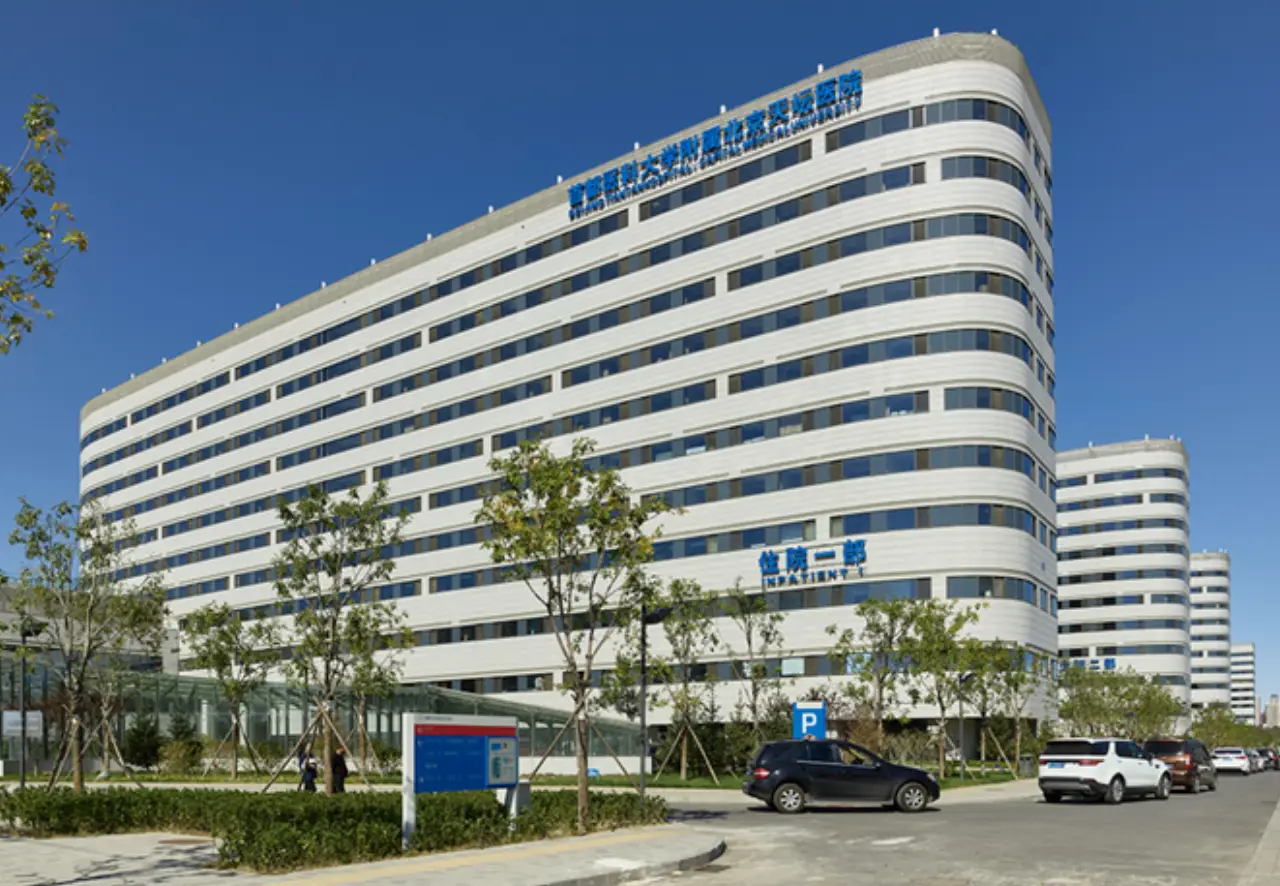
Beijing Tiantan Hospital, Capital Medical University
首都医科大学附属北京天坛医院
Beijing
Hospital photos
1 / 5
Overview
Beijing Tiantan Hospital is a tertiary Grade A general hospital founded in 1956 and led by neurosurgery and a broader neuroscience cluster. It moved to its current Fengtai campus in 2018-2019 and hosts national clinical-research, quality-control and training platforms for neurological disease.
Why this hospital
A neuroscience-led comprehensive hospital offering integrated surgical, medical, interventional, imaging, critical-care, rehabilitation and remote-consultation pathways for neurological disease.
Key departments
Departments and specialty centers known for their expertise
Neurosurgery Center
Specialty center
Focuses on minimally invasive treatment integrating microsurgery, endoscopy, and navigation, with emphasis on intracranial tumors, skull base surgery, functional neurosurgery, and spinal and peripheral nerve surgery; has extensive experience in complex skull base tumors, brainstem lesions, and approaches to the cavernous sinus.
Neurology and Stroke Center (Comprehensive Stroke Center)
Specialty center
Establishes a 24/7 stroke green channel, with rapid imaging assessment and a collaborative thrombectomy team, routinely performing intravenous thrombolysis, mechanical thrombectomy, and carotid artery stenting; standardizes post-stroke cognitive, swallowing, and secondary prevention management.
Cerebrovascular Disease and Neurointerventional Center
Specialty center
Performs aneurysm embolization, AVM/AVF intervention, and carotid and intracranial artery stenosis stenting and angioplasty under the guidance of biplane DSA; uses brain perfusion, CTA/CTP, and whole-brain blood flow reserve assessment during the perioperative period to achieve individualized treatment.
Epilepsy Diagnosis and Treatment and Surgical Center
Specialty center
Equipped with long-term video EEG and high-density EEG, magnetoencephalography (MEG), and stereoelectroencephalography (SEEG) assessment platforms; performs comprehensive treatments such as anterior medial temporal lobe resection, lesion resection, corpus callosotomy, vagus nerve stimulation (VNS), and responsive neurostimulation (RNS).
Brain Tumor and Neuro-oncology Center
Specialty center
A multidisciplinary (MDT) consultation platform integrates neurosurgery, radiotherapy, imaging, and pathology; uses intraoperative MRI, fluorescence navigation, functional area protection techniques, and postoperative precise radiotherapy/chemotherapy to promote molecular subtyping and precision medicine.
Functional Neurosurgery and Neuromodulation Center
Specialty center
For Parkinson's disease, essential tremor, dystonia, and intractable pain/spasm, performs DBS (deep brain stimulation), lesioning, and image-guided minimally invasive therapies; integrates intraoperative microelectrode recording and neuronavigation to improve accuracy.
Skull Base and Brainstem Surgery Center
Specialty center
Focuses on acoustic neuroma, pituitary adenoma, skull base chordoma, and complex brainstem lesions; specializes in individualized strategies using combined microscope/endoscope approaches via transnasal sphenoidal, transoral pharyngeal, transpetrosal, and other routes.
Neurocritical Care Center (NICU)
Specialty center
Performs continuous EEG monitoring, cerebral perfusion pressure-oriented therapy, and multimodal monitoring of intracranial pressure and brain oxygen saturation (PbtO₂); standardizes perioperative management of severe stroke, TBI, and subarachnoid hemorrhage.
Pediatric Neurosurgery Center
Specialty center
Minimally invasive and staged comprehensive treatment of congenital neural tube defects, pediatric brain tumors, epilepsy, and hydrocephalus; uses Enhanced Recovery After Surgery (ERAS) pathways and family support programs during the perioperative period.
Neuroimaging and Precision Medicine Center
Specialty center
Integrates fMRI, DTI, ASL, PET-CT, and other multimodal imaging for functional area delineation and preoperative risk assessment; establishes brain disease molecular subtyping and big data cohorts to promote individualized diagnosis and treatment and translational research.
Advanced equipment
11 MRI scanners including six 3.0T systems
Scope: neuroimaging center
6 CT scanners
Scope: neuroimaging center
9 DR systems
Scope: neuroimaging center
PACS
Scope: neuroimaging center
Dedicated MRI
Scope: international department
Dedicated CT
Scope: international department
Catheter laboratory
Scope: international department
Gamma Knife
Scope: international department
Frequently asked questions
Common questions from international patients
Compiled from the hospital's official website and other public sources. Details may change, so please confirm with us before you travel.
Raffles Hospital Beijing is part of Raffles Medical Group, a leading integrated private healthcare provider in Asia founded in Singapore in 1976. The group serves more than 2.8 million patients a year and operates medical facilities in 12 cities across Singapore, Greater China, Japan, Vietnam and Cambodia. Its Beijing facility offers international-standard care with multilingual staff.
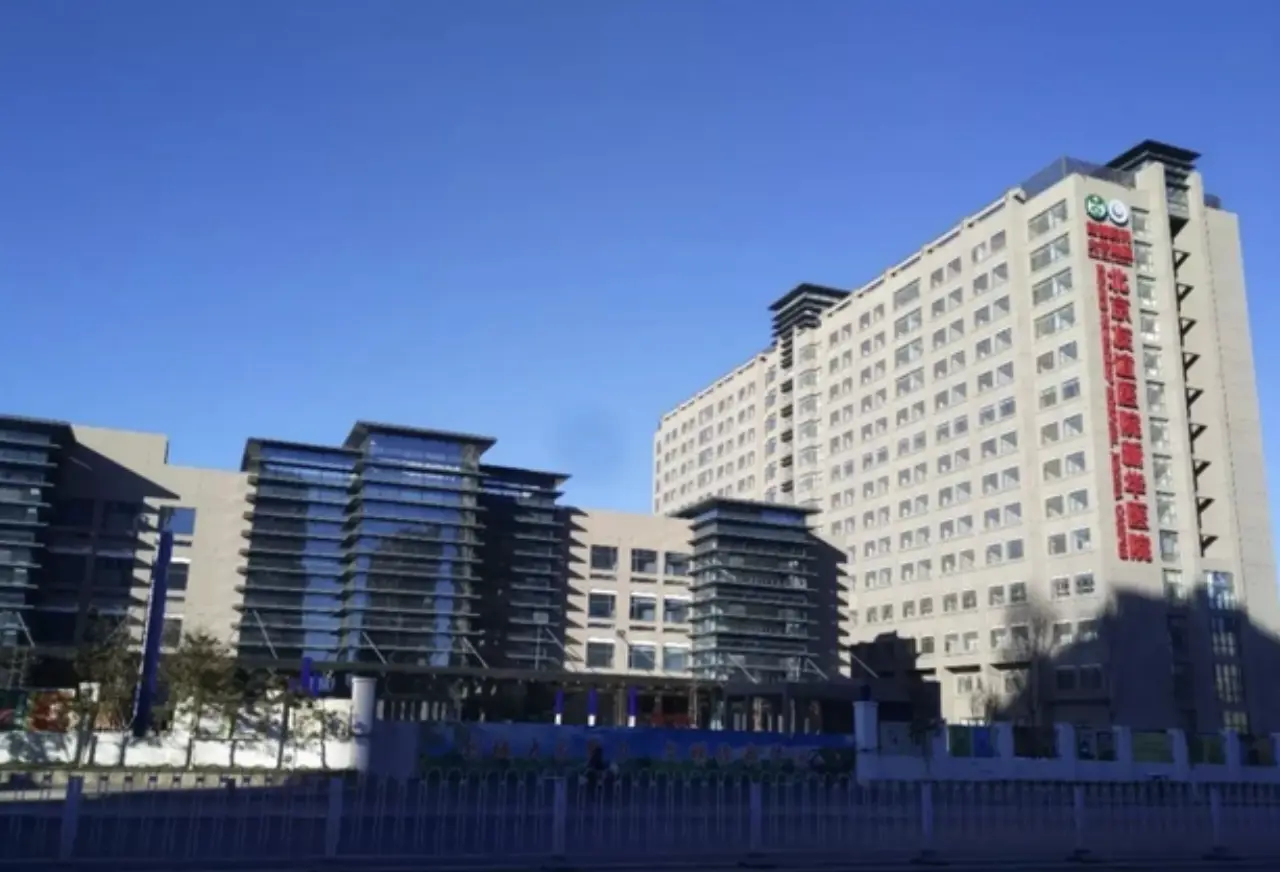
Beijing Friendship Hospital, Capital Medical University (首都医科大学附属北京友谊医院) was established in 1952 in Beijing, as a Grade 3A comprehensive hospital, with professional advantages in Liver Disease and Liver Transplantation Center, Digestive Disease and Endoscopy Center, Biliary and Pancreatic Disease Center and other fields.
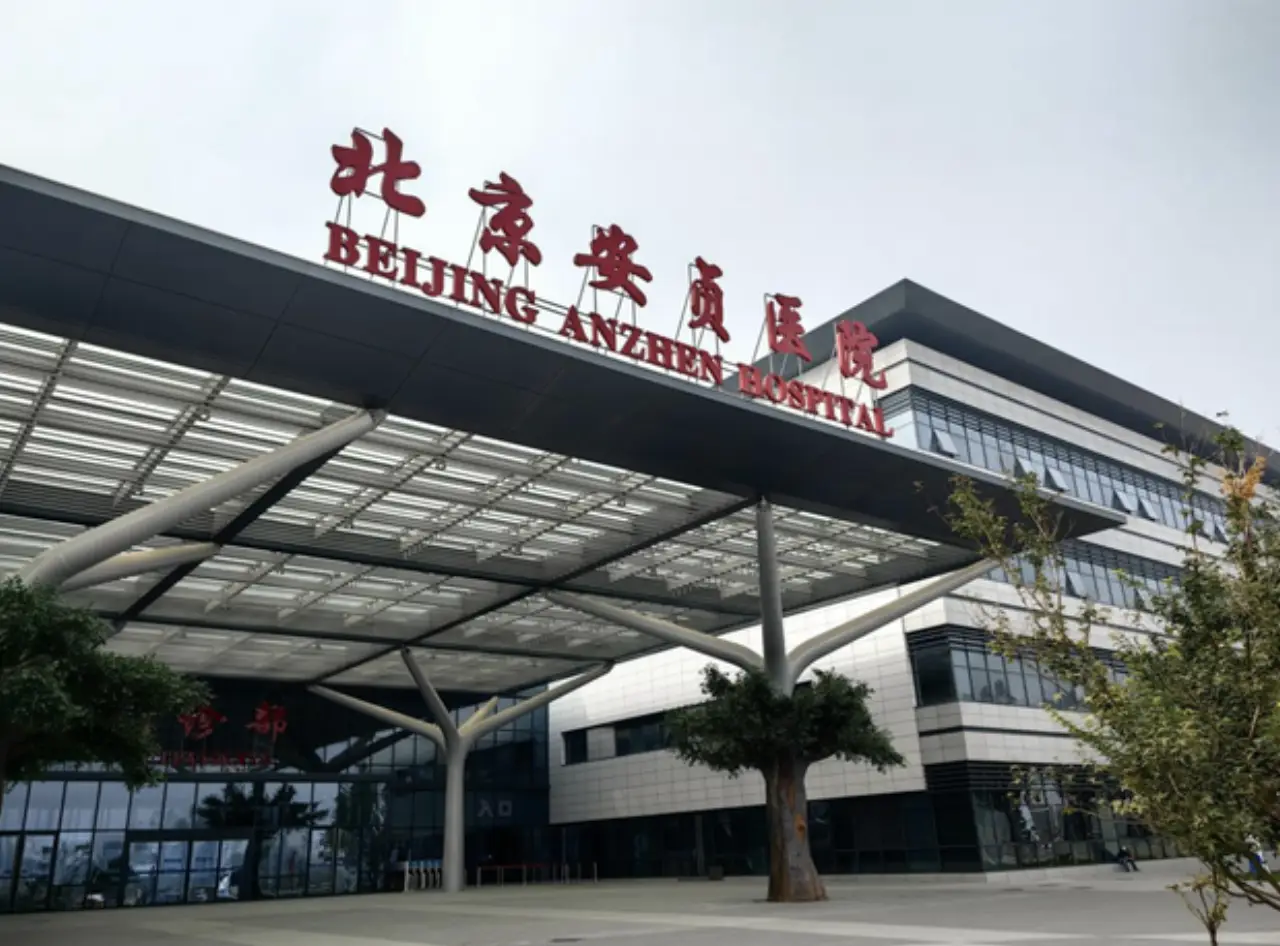
Beijing Anzhen Hospital, Capital Medical University (首都医科大学附属北京安贞医院) was established in 1984 in Beijing, as a Grade 3A comprehensive hospital, with professional advantages in Cardiovascular Disease Center (Adult), Structural Heart Disease and Valvular Center, Arrhythmia and Electrophysiology Center and other fields.