Cancer Hospital, Chinese Academy of Medical Sciences (National Cancer Center, China)
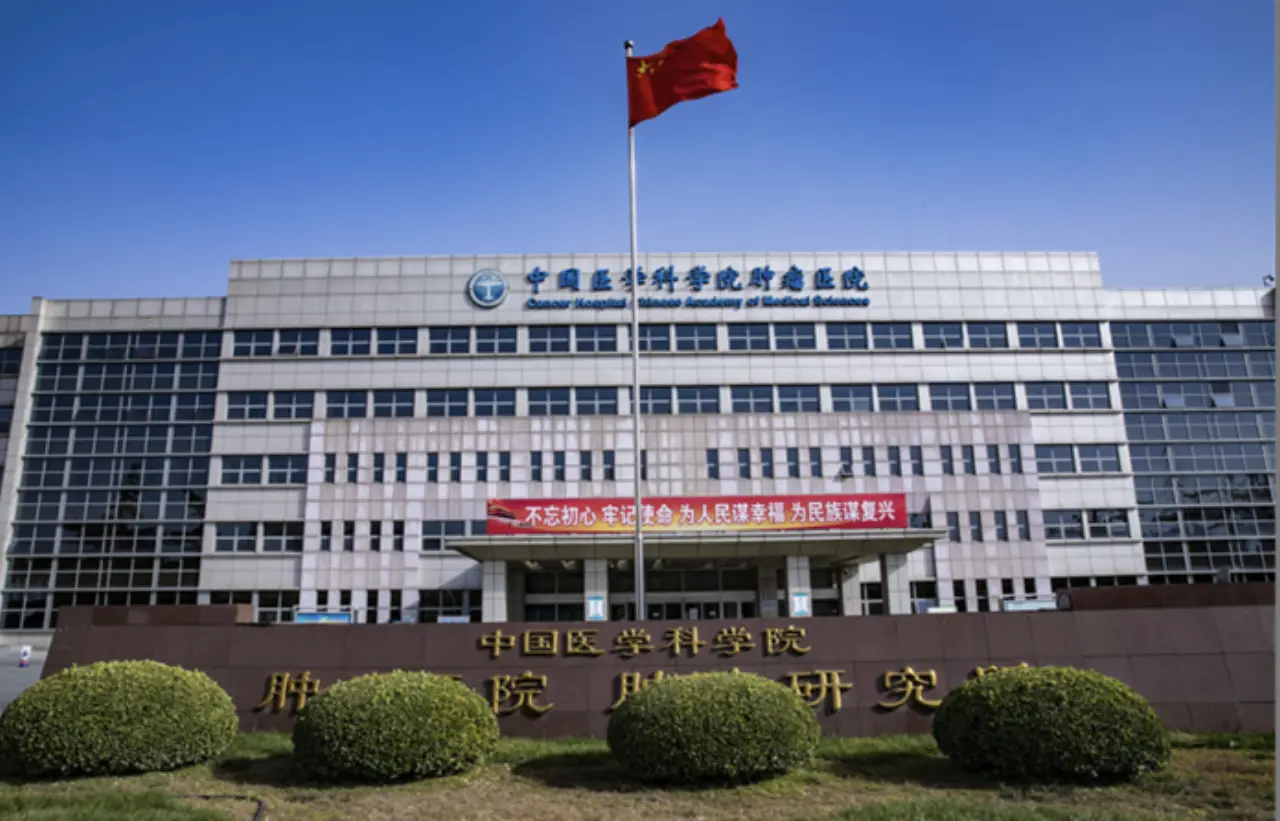
中国医学科学院肿瘤医院(国家癌症中心)
Beijing
Hospital photos
1 / 3
Overview
Founded in 1958, the Cancer Hospital of the Chinese Academy of Medical Sciences is a national oncology hospital integrating prevention, clinical care, research and education. It hosts national platforms for oncology clinical research, standardized-care quality control and drug clinical research.
Why this hospital
A national oncology center combining screening and early diagnosis with multidisciplinary surgery, systemic therapy, radiotherapy and interventional treatment across a broad cancer portfolio.
Key departments
Departments and specialty centers known for their expertise
Thoracic Tumor Center (Lung Cancer/Pleural Tumors) (胸部肿瘤中心(肺癌/胸膜肿瘤))
Specialty center
Establish a lung cancer diagnosis and treatment system with MDT as the core, carry out minimally invasive/robotic lobectomy, subsegmental resection and lymph node system dissection, and cooperate with SBRT, immune-combined targeted perioperative comprehensive treatment and precise positioning of tiny nodules.
Gastrointestinal Tumor Center (Gastrointestinal/Esophagus) (消化道肿瘤中心(胃肠道/食管))
Specialty center
Covers the entire process management of esophageal cancer, gastric cancer, and colorectal cancer. ERAS rapid recovery is parallel with endoscopic/robotic radical surgery. New adjuvant chemoradiotherapy, postoperative stratified follow-up, and minimal residual lesion (MRD) monitoring are carried out to guide medication.
Hepatobiliary and Pancreatic Tumor Center (肝胆胰肿瘤中心)
Specialty center
Mature technologies such as complex hepatectomy and hepatic portal block, ALPPS, and portal vein embolization are combined with TACE/TARE, radiofrequency/microwave ablation, and systemic treatment to carry out precise radiotherapy for intrahepatic cholangiocarcinoma and molecular typing-guided treatment.
Breast Tumor Center (乳腺肿瘤中心)
Specialty center
Standardized breast-conserving and axillary management and immediate reconstruction are carried out. Endocrine/chemotherapy regimens are guided based on multi-gene detection. Intraoperative image navigation and targeted intracavitary radiotherapy improve both cosmetic and oncological outcomes.
Gynecological Tumor Center (妇科肿瘤中心)
Specialty center
Staging surgery and comprehensive treatment platform for cervical/endometrial/ovarian tumors, large-scale screening for HPV-related precancerous lesions, and fertility-sparing conservative surgery and precise radiotherapy strategies.
Urological Tumor Center (Prostate/Kidney/Bladder) (泌尿肿瘤中心(前列腺/肾/膀胱))
Specialty center
Da Vinci robot-assisted radical prostatectomy, partial nephrectomy, and bladder reconstruction are routine. PSMA PET imaging is integrated to achieve staging and efficacy evaluation, and individualized pathways of radiotherapy + systemic treatment are promoted.
Head and Neck Tumor Center (头颈肿瘤中心)
Specialty center
Laryngeal function preservation, parapharyngeal/skull base high-difficulty surgery are carried out, combined with stereotactic radiotherapy and strictly quality-controlled targeted/immunotherapy regimens, with emphasis on swallowing and speech rehabilitation.
Neuro-Oncology Center (Intracranial Tumors/Brain Metastasis) (神经肿瘤中心(颅内肿瘤/脑转移))
Specialty center
Provides integrated solutions for neuro-navigation microsurgery, intraoperative MRI, and stereotactic radiotherapy (SRS/SRT) for glioma, meningioma, and brain metastases.
Sarcoma and Rare Tumor Center (肉瘤与罕见肿瘤中心)
Specialty center
Focuses on bone and soft tissue sarcoma, GIST and other rare tumors, implements clear-margin wide resection, reconstruction and neoadjuvant/adjuvant therapy, and cooperates with molecular pathology consultation and clinical trials.
Precision Medicine and Molecular Diagnosis and Treatment Center (精准医学与分子诊疗中心)
Specialty center
Covers NGS large panel, cfDNA/ctDNA dynamic monitoring, MSI/TMB detection and companion diagnostics, and builds a molecular oncology MDT and pharmacogenomics-guided medication.
Tumor Radiotherapy Center (肿瘤放射治疗中心)
Specialty center
Has the ability of image-guided adaptive radiotherapy (IGRT/ART), SBRT and stereotactic intracranial/body radiotherapy, and improves efficacy and safety with dosimetric optimization and online image evaluation.
Interventional Oncology Center (介入肿瘤中心)
Specialty center
Carries out liver cancer TACE/HAIC, transarterial radioembolization (TARE) referral and comprehensive management, percutaneous ablation and portal vein intervention, and combines systemic treatment to achieve transformation and bridging.
Advanced equipment
Linear accelerators supporting IMRT, IGRT and VMAT
Large-bore CT simulator
MRI simulator
Radiofrequency hyperthermia
Flat-panel DSA
Second-generation gemstone spectral CT
3T functional MRI
PET-CT
Enterprise PACS-RIS
Frequently asked questions
Common questions from international patients
Compiled from the hospital's official website and other public sources. Details may change, so please confirm with us before you travel.
Raffles Hospital Beijing is part of Raffles Medical Group, a leading integrated private healthcare provider in Asia founded in Singapore in 1976. The group serves more than 2.8 million patients a year and operates medical facilities in 12 cities across Singapore, Greater China, Japan, Vietnam and Cambodia. Its Beijing facility offers international-standard care with multilingual staff.
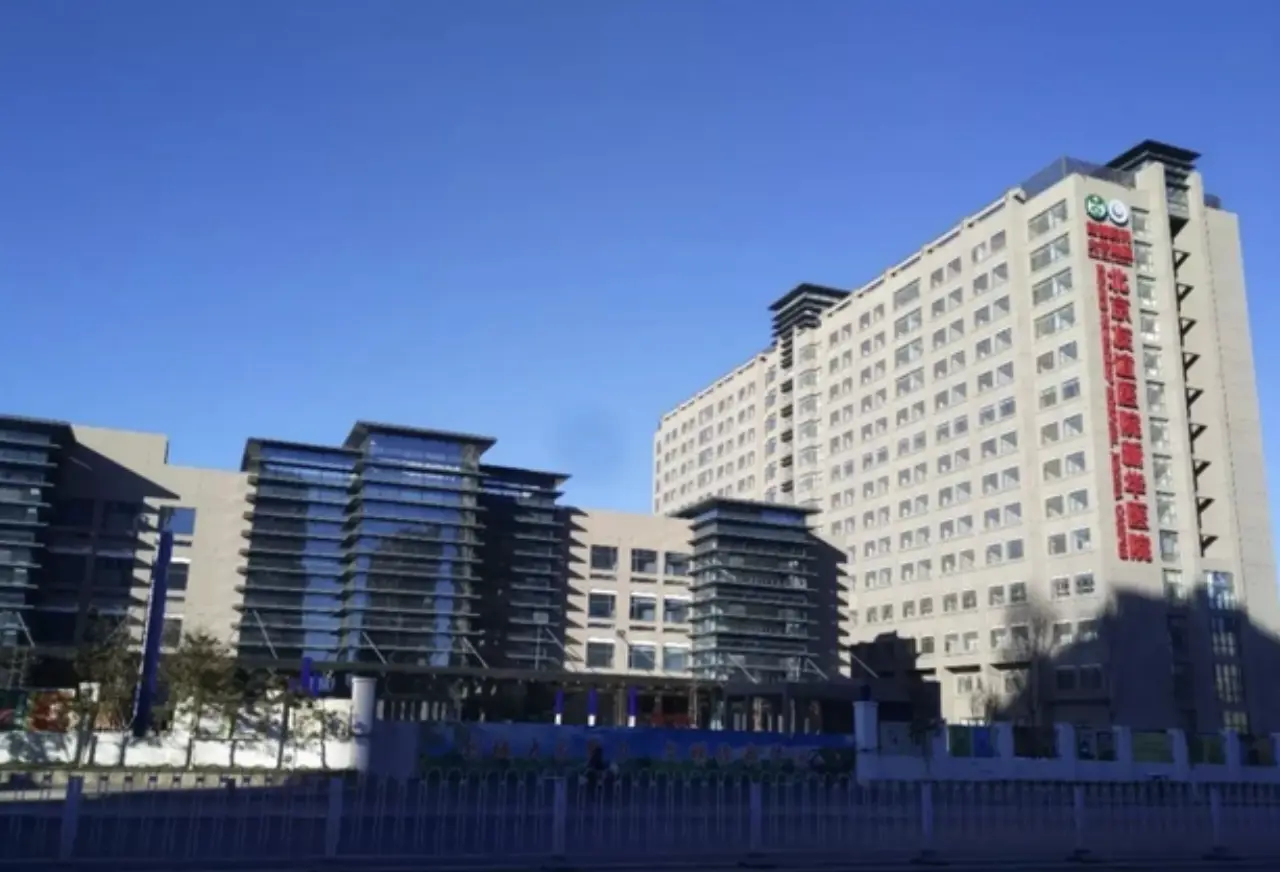
Beijing Friendship Hospital, Capital Medical University (首都医科大学附属北京友谊医院) was established in 1952 in Beijing, as a Grade 3A comprehensive hospital, with professional advantages in Liver Disease and Liver Transplantation Center, Digestive Disease and Endoscopy Center, Biliary and Pancreatic Disease Center and other fields.
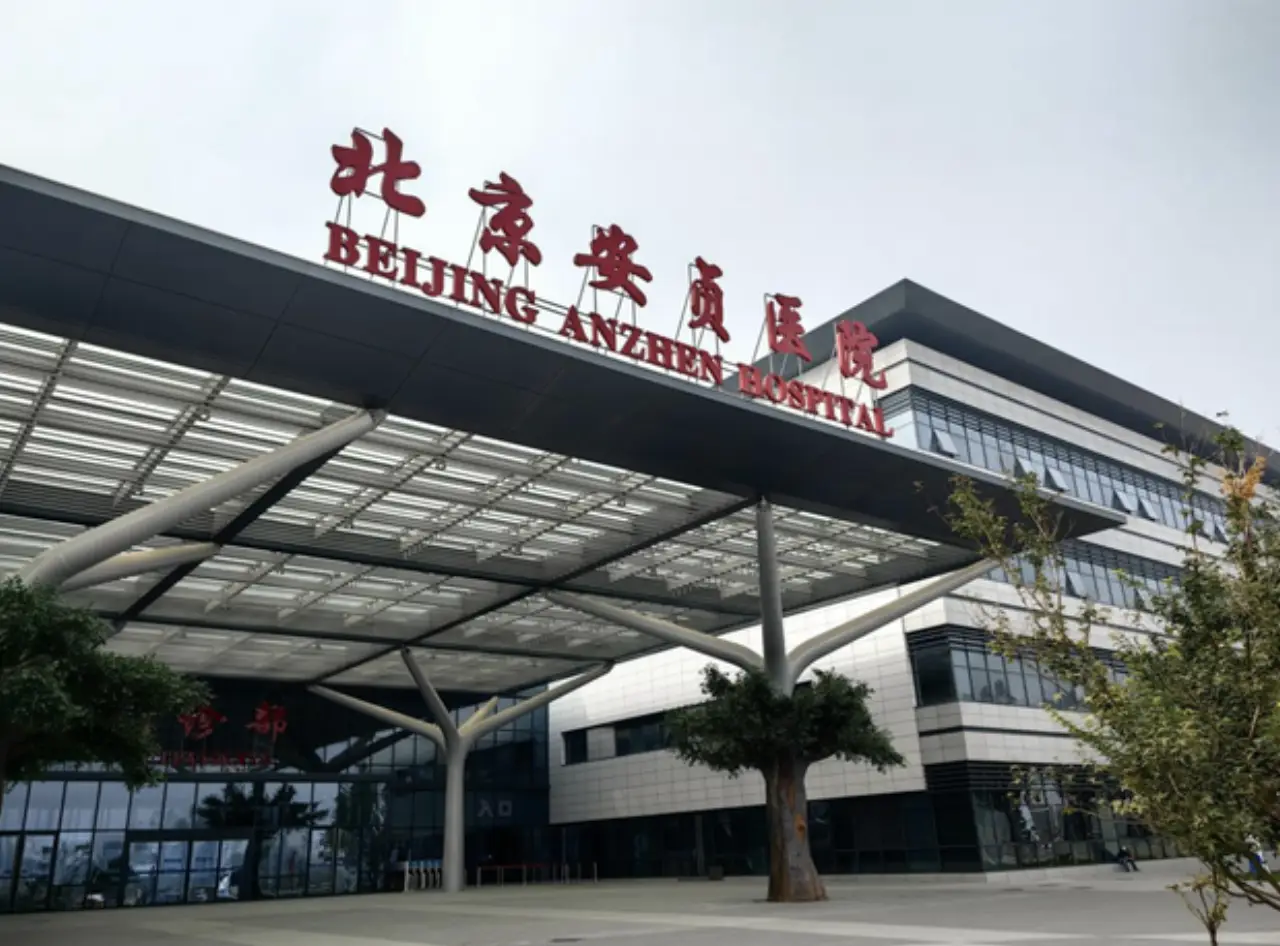
Beijing Anzhen Hospital, Capital Medical University (首都医科大学附属北京安贞医院) was established in 1984 in Beijing, as a Grade 3A comprehensive hospital, with professional advantages in Cardiovascular Disease Center (Adult), Structural Heart Disease and Valvular Center, Arrhythmia and Electrophysiology Center and other fields.