Founded in 1921, Peking Union Medical College Hospital is a modern tertiary Grade A general hospital integrating care, education and research. The National Health Commission designates it as a national guidance center for complex, severe and rare diseases, and it operates four campuses.
Why this hospital
A national referral and guidance center for complex, severe and rare diseases, combining broad multidisciplinary expertise with a long-established international medical service.
Key departments
Departments and specialty centers known for their expertise
Cardiovascular Medicine Center
Specialty center
Performs full-process diagnosis and treatment for coronary heart disease, complex congenital heart disease, and structural heart disease, including TAVR, TEER, and left atrial appendage closure. Relies on hybrid operating rooms and 3D image fusion navigation to provide minimally invasive and precise treatment and critical cardiovascular care (including ECMO support).
Oncology Center
Specialty center
Provides multidisciplinary MDT joint diagnosis and treatment, covering common and complex tumors of the digestive tract, breast, gynecology, urology, head, and neck. Possesses molecular pathology and precise typing capabilities, and uses PET-CT/PET-MRI for staging evaluation and efficacy monitoring. Performs minimally invasive surgery, interventional oncology, and comprehensive radio-chemotherapy regimens.
Neurology Center (Neurology, Neurosurgery and Intervention)
Specialty center
Establishes a stroke green channel and neurointerventional platform, performing aneurysm/vascular malformation embolization, intracranial stenting, etc. Provides functional localization and precise minimally invasive surgery for epilepsy, Parkinson's disease, and skull base tumors, and uses intraoperative imaging and navigation systems to improve efficacy and safety.
Rare Disease and Difficult Disease Diagnosis and Treatment Center
Specialty center
As one of the domestic highlands for the diagnosis and treatment of difficult and critical illnesses, it leads a multidisciplinary collaboration network, combines whole exome/whole genome sequencing, metabolomics, and rare disease databases, emphasizes standardized pathways and individualized treatment, and improves the early diagnosis rate and standardized management of rare diseases.
Rheumatology and Immunology Center
Specialty center
Leads the country in the diagnosis, treatment, and clinical research of systemic diseases such as systemic lupus erythematosus, vasculitis, and Sjögren's syndrome. Relies on immune phenotype and autoantibody spectrum platforms to achieve precise typing and follow-up management of difficult immune diseases.
Endocrine and Metabolic Center
Specialty center
Has strong capabilities in the fields of pituitary-thyroid-adrenal axis diseases, diabetic complications, and bone metabolic diseases. Performs minimally invasive surgery and nuclear medicine diagnosis and treatment of glandular tumors, and uses functional imaging and dynamic endocrine tests to achieve precise evaluation.
Digestive Diseases and Minimally Invasive Endoscopy Center
Specialty center
Performs advanced endoscopic techniques such as EUS, ERCP, ESD/EMR, and POEM, covering the diagnosis and treatment of liver, gallbladder, pancreas, and gastrointestinal diseases. Relies on image fusion and multi-modal evaluation to provide high-level solutions for early cancer screening and refractory biliary and pancreatic diseases.
Nephrology and Hemodialysis/Transplantation Center
Specialty center
Covers the management of chronic kidney disease, glomerular disease, and critical renal failure, providing extracorporeal life support such as CRRT and plasma exchange. Forms a standardized pathway and long-term follow-up system in perioperative management and immunosuppression management of kidney transplantation.
Obstetrics and Gynecology and Reproductive Medicine Center
Specialty center
Specializes in gynecological tumors, complex pelvic floor reconstruction, and minimally invasive surgery. Provides reproductive endocrinology and assisted reproductive (IVF/ICSI) diagnosis and treatment, focusing on genetic counseling, prenatal screening, and full-cycle management of maternal-fetal medicine.
Imaging and Interventional Medicine Center
Specialty center
Equipped with high-end CT/MRI and molecular imaging platforms, performs precise imaging of systemic tumors, cardiovascular and nervous systems. Interventional radiology uses DSA guidance to perform minimally invasive treatments such as tumor ablation/embolization, peripheral vascular intervention, and bleeding emergency treatment.
Advanced equipment
SOMATOM Force dual-source CT
Scope: Xidan international medical department
MR750w wide-bore 3.0T MRI
Scope: Xidan international medical department
Senographe Essential full-field digital mammography
Scope: Xidan international medical department
IDXA dual-energy X-ray absorptiometry
Scope: Xidan international medical department
Philips DigitalDiagnost dual-detector digital radiography
Scope: Xidan international medical department
Advanced gastrointestinal endoscopy
Scope: Xidan international medical department
Frequently asked questions
Common questions from international patients
Compiled from the hospital's official website and other public sources. Details may change, so please confirm with us before you travel.
Raffles Hospital Beijing is part of Raffles Medical Group, a leading integrated private healthcare provider in Asia founded in Singapore in 1976. The group serves more than 2.8 million patients a year and operates medical facilities in 12 cities across Singapore, Greater China, Japan, Vietnam and Cambodia. Its Beijing facility offers international-standard care with multilingual staff.
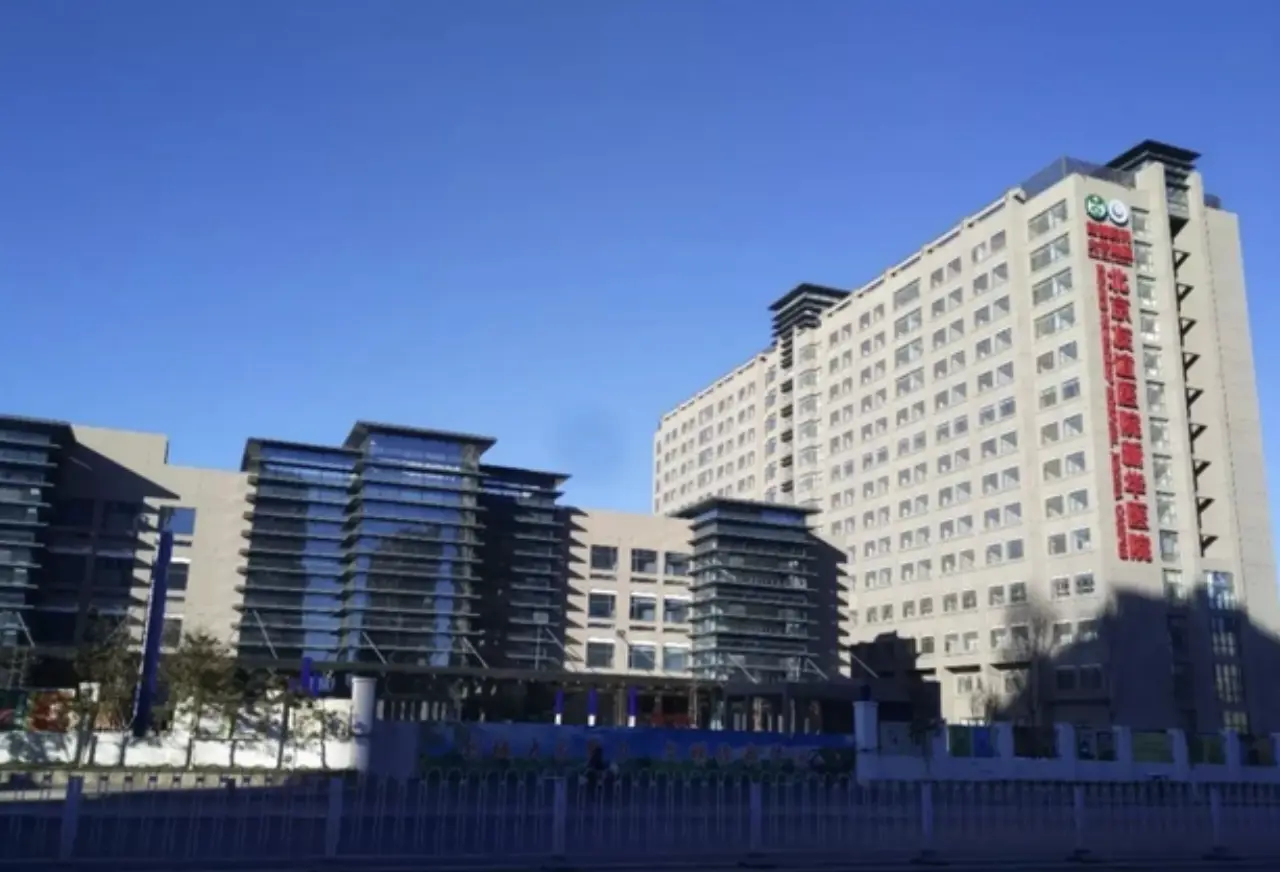
Beijing Friendship Hospital, Capital Medical University (首都医科大学附属北京友谊医院) was established in 1952 in Beijing, as a Grade 3A comprehensive hospital, with professional advantages in Liver Disease and Liver Transplantation Center, Digestive Disease and Endoscopy Center, Biliary and Pancreatic Disease Center and other fields.
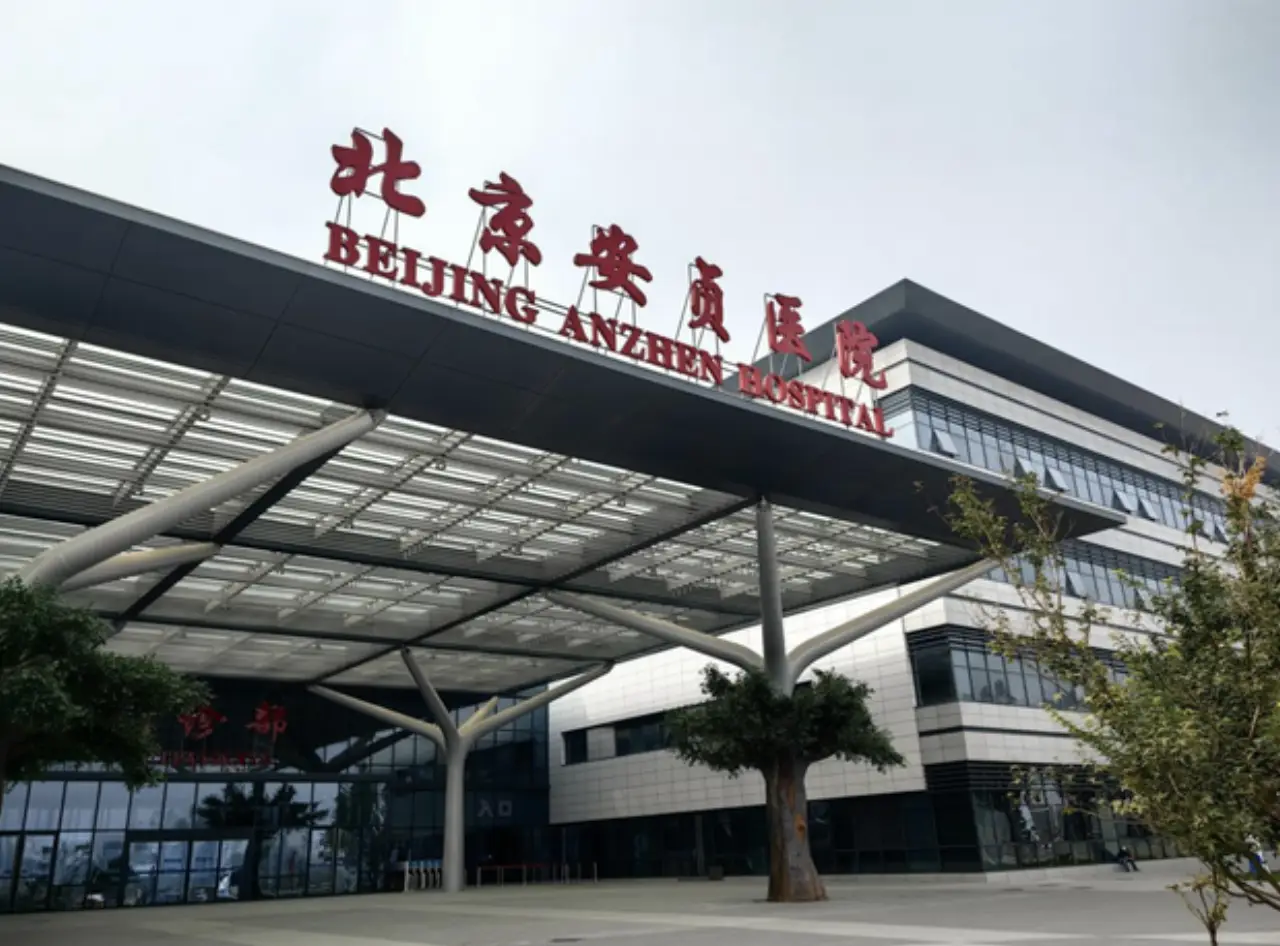
Beijing Anzhen Hospital, Capital Medical University (首都医科大学附属北京安贞医院) was established in 1984 in Beijing, as a Grade 3A comprehensive hospital, with professional advantages in Cardiovascular Disease Center (Adult), Structural Heart Disease and Valvular Center, Arrhythmia and Electrophysiology Center and other fields.