Founded in 1918 as Beijing Central Hospital, Peking University People's Hospital was the first comprehensive Western-medicine hospital financed and managed by Chinese citizens. It is now a National Health Commission-administered tertiary Grade A general hospital and Peking University's second clinical medical school, with Xizhimen, Baitasi and Tongzhou campuses and a Xiong'an campus under development.
Why this hospital
A broad university hospital anchored by national trauma and hematology centers, with a dedicated one-stop international medical pathway from appointment through postoperative follow-up.
Key departments
Departments and specialty centers known for their expertise
Uses multidisciplinary MDT as the core, integrating surgery, internal medicine, radiotherapy, and molecular pathology; cooperates with high-end PET-CT/spectral CT for staging evaluation, and implements minimally invasive oncologic surgery and high-precision stereotactic radiotherapy.
Neurology Medicine Center
Specialty center
Stroke center with 24/7 thrombolysis and thrombectomy channel, combined with neurocritical care (NICU) and rehabilitation; neurosurgery performs high-difficulty skull base/functional neurosurgery and image-guided minimally invasive surgery.
Bone and Joint (Orthopedics) Center
Specialty center
Performs total hip/knee replacement and revision, sports medicine arthroscopy, spinal deformity correction, and minimally invasive spinal endoscopy; has significant advantages in fast-track surgery (ERAS) and intraoperative navigation.
Rheumatology and Autoimmune Disease Center
Specialty center
Focuses on the diagnosis and treatment of complex immune diseases such as rheumatoid arthritis, systemic lupus erythematosus, and vasculitis, and establishes multidisciplinary joint management and standardized biological agent treatment pathways.
Kidney Disease and Hemodialysis Center
Specialty center
Provides a full spectrum of renal replacement therapies such as hemodialysis, peritoneal dialysis, and plasma exchange; establishes a perioperative and long-term follow-up management platform for kidney transplantation.
Urology and Andrology Center
Specialty center
Has a mature technical system for minimally invasive/robotic surgery for prostate, kidney, and bladder tumors, as well as precise treatment of stones and benign prostatic hyperplasia.
Digestive Diseases and Endoscopy Center
Specialty center
Performs high-difficulty Level 3/4 endoscopic procedures such as ESD/EMR submucosal dissection, ERCP pancreatobiliary endoscopy, and POEM, combined with endoscopic ultrasound and spectral imaging for precise diagnosis and treatment.
Transplantation and Transplantation Immunology Center
Specialty center
Regularly performs kidney transplantation and other projects, relying on an immunology platform for donor-recipient matching, antibody monitoring, and individualized immunosuppression management.
Obstetrics, Gynecology, and Reproductive Medicine Center
Specialty center
Emphasizes high-risk pregnancy management, minimally invasive gynecologic oncology surgery, and reproductive endocrine management, and establishes an integrated maternal-fetal medicine-neonatology treatment system.
Frequently asked questions
Common questions from international patients
Compiled from the hospital's official website and other public sources. Details may change, so please confirm with us before you travel.
Raffles Hospital Beijing is part of Raffles Medical Group, a leading integrated private healthcare provider in Asia founded in Singapore in 1976. The group serves more than 2.8 million patients a year and operates medical facilities in 12 cities across Singapore, Greater China, Japan, Vietnam and Cambodia. Its Beijing facility offers international-standard care with multilingual staff.
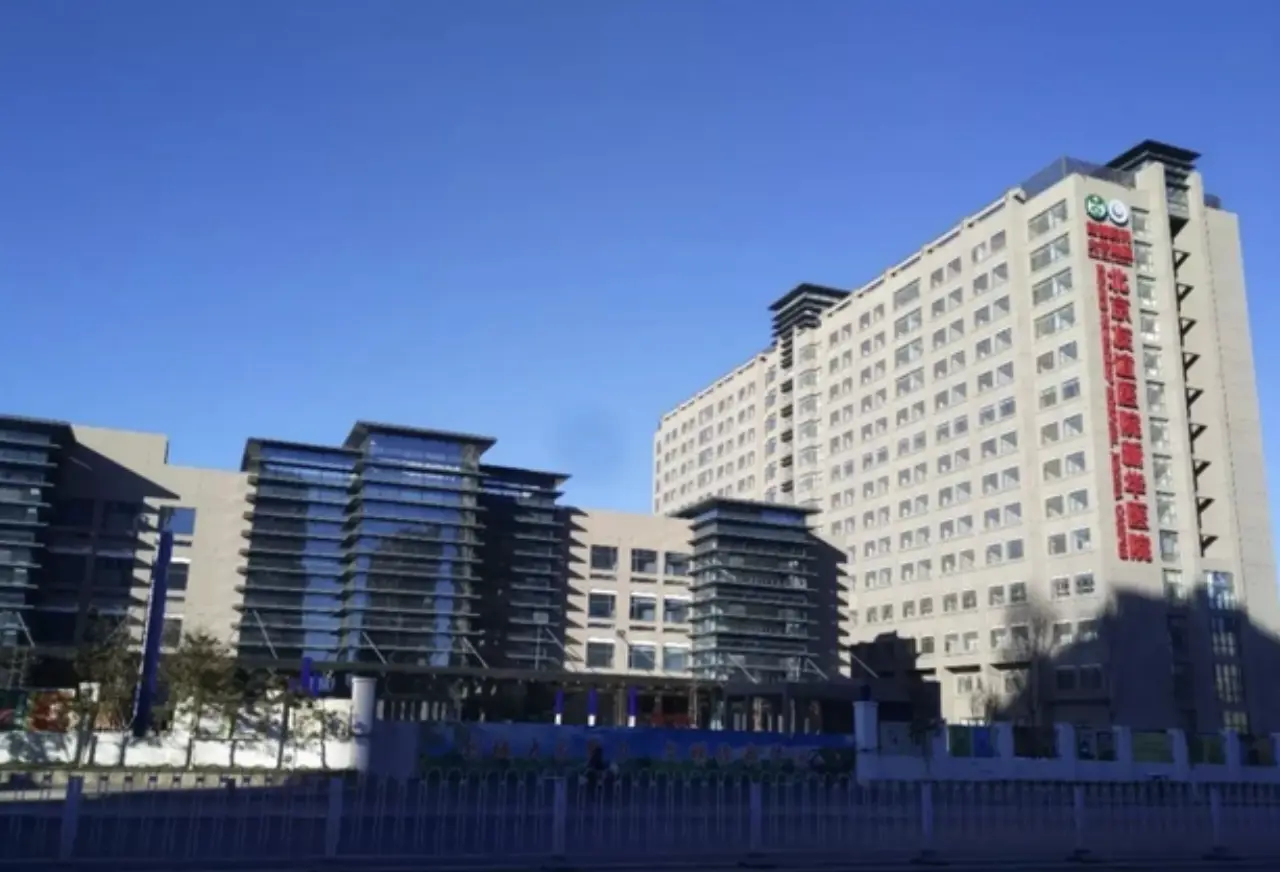
Beijing Friendship Hospital, Capital Medical University (首都医科大学附属北京友谊医院) was established in 1952 in Beijing, as a Grade 3A comprehensive hospital, with professional advantages in Liver Disease and Liver Transplantation Center, Digestive Disease and Endoscopy Center, Biliary and Pancreatic Disease Center and other fields.
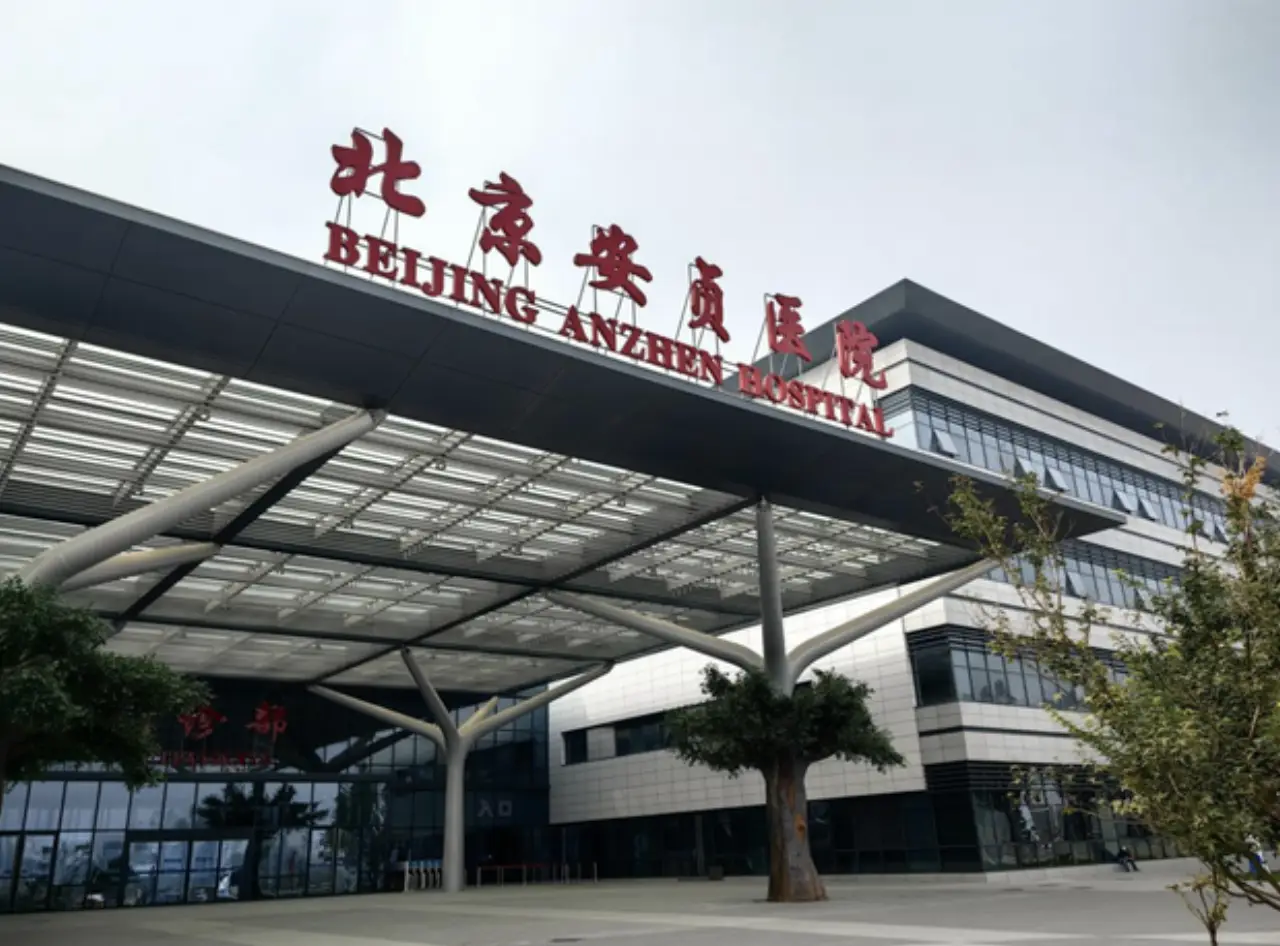
Beijing Anzhen Hospital, Capital Medical University (首都医科大学附属北京安贞医院) was established in 1984 in Beijing, as a Grade 3A comprehensive hospital, with professional advantages in Cardiovascular Disease Center (Adult), Structural Heart Disease and Valvular Center, Arrhythmia and Electrophysiology Center and other fields.