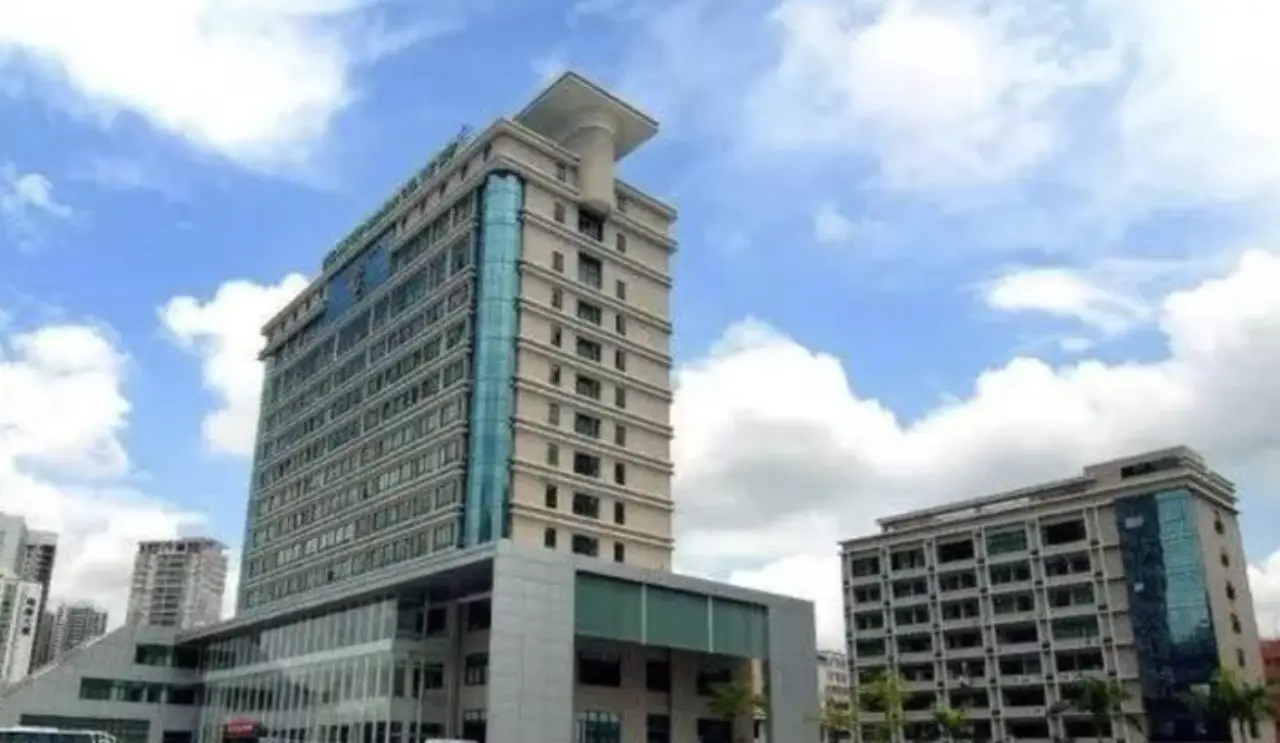
Founded in 1979, Shenzhen Maternity and Child Healthcare Hospital is a public Grade 3A maternal and child health institution and the Women and Children's Medical Center of Southern Medical University. It provides prevention, health care, clinical care, teaching and research.
Why this hospital
A high-volume maternal and child health referral institution offering integrated prevention, obstetric, neonatal, pediatric, reproductive, prenatal-diagnosis and public-health services across the full life-cycle.
Key departments
Departments and specialty centers known for their expertise
Maternal-Fetal Medicine and High-Risk Pregnancy Center
Specialty center
Focuses on the whole-process management of fetal medicine, fetal structural malformations, and placenta-related diseases. Establishes multidisciplinary consultation for high-risk pregnancies (Obstetrics/Anesthesia/Intervention/Hematology/ICU), and conducts fetal MRI evaluation, standardized fetal ultrasound measurements, and rapid pathways for critical obstetric care (postpartum hemorrhage, placenta accreta sequence).
Reproductive Medicine Center (Assisted Reproduction)
Specialty center
Establishes an integrated process around IVF/ICSI, embryo freezing, PGT, and other technologies. Equipped with a clean embryo laboratory and time-lapse incubation monitoring system, emphasizes individualized controlled superovulation and prevention of complications (OHSS), and provides joint clinics for male infertility, recurrent miscarriage, and immune-related infertility.
Neonatal Medicine and NICU Center
Specialty center
Establishes a neonatal intensive care unit, standardizes the treatment of premature infants with very low/extremely low birth weights, and is equipped with high-frequency oscillatory ventilation, pulmonary surfactant replacement, bedside ultrasound, and brain function monitoring (aEEG/NIRS). Forms a regional network for neonatal infection, respiratory failure, and critical transport.
Gynecological Minimally Invasive and Pelvic Floor Medicine Center
Specialty center
Conducts minimally invasive diagnosis and treatment of uterine fibroids, adenomyosis, endometriosis, and pelvic floor dysfunction. Emphasizes precise anatomy and neurovascular protection with the da Vinci robot/three-dimensional laparoscopy, and establishes postoperative rapid recovery (ERAS) pathways and fertility protection plans.
Gynecologic Oncology Center
Specialty center
A standardized diagnosis and treatment platform mainly for cervical cancer, endometrial cancer, and ovarian tumors. Integrates hierarchical management of cervical lesions, pelvic/retroperitoneal lymph node dissection, intraoperative frozen section, and multidisciplinary radiotherapy and chemotherapy evaluation. Strengthens HPV vaccination and cervical cancer screening follow-up system.
Obstetric Critical Care Center
Specialty center
Establishes a rapid response mechanism for critical and severe conditions such as severe cardiovascular, endocrine, coagulation dysfunction, and amniotic fluid embolism during pregnancy. Integrates interventional embolization, cesarean section, and uterine preservation in a hybrid operating room to reduce adverse maternal and infant outcomes.
Prenatal Diagnosis and Genetic Medicine Center
Specialty center
Covers early and mid-pregnancy screening, amniocentesis/chorionic villus sampling, chromosomal microarray (CMA), and exome sequencing (WES/ultrasound phenotype focusing). Establishes a closed loop of genetic counseling-phenotype imaging-molecular diagnosis to optimize prenatal identification of rare and monogenic diseases.
Breast Health and Women's Imaging Center
Specialty center
Focuses on women's breast diseases, equipped with digital mammography + tomosynthesis (DBT), breast ultrasound and elastography, contrast-enhanced examination and puncture biopsy pathways. Establishes a hierarchical management and follow-up system for benign and malignant breast lesions.
Pediatric Surgery and Pediatric Urology Center
Specialty center
Conducts minimally invasive treatment of common congenital malformations, urinary tract stenosis, cryptorchidism, and hernias in newborns/infants. Integrates anesthesia and perioperative monitoring, emphasizing precise anesthesia and postoperative pain management for low-weight infants.
Frequently asked questions
Common questions from international patients
Compiled from the hospital's official website and other public sources. Details may change, so please confirm with us before you travel.
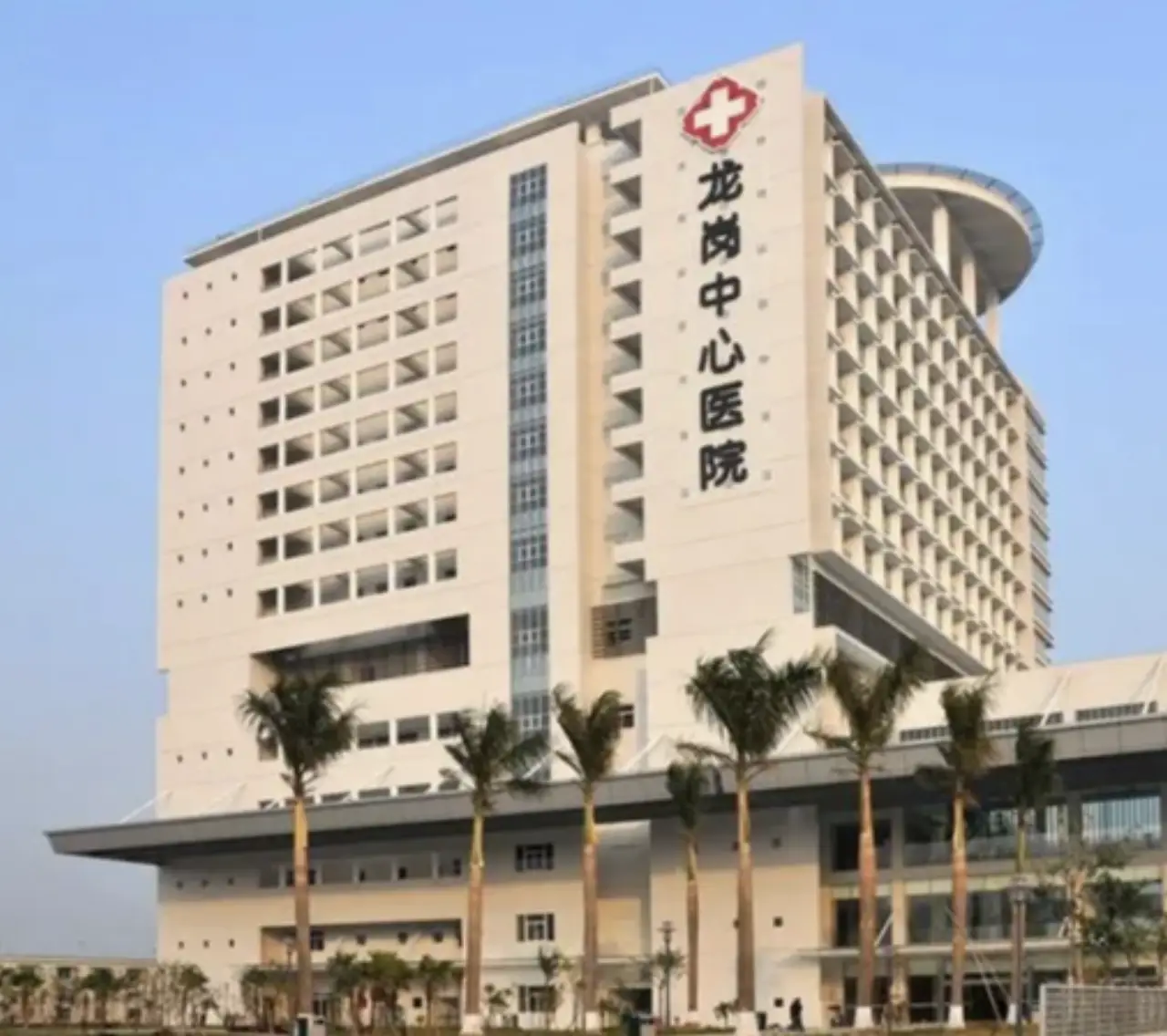
Founded in 1952, Shenzhen Longgang Central Hospital is eastern Shenzhen's first Grade 3A comprehensive hospital and a regional center for emergency care, medicine, teaching, research, rehabilitation, prevention and health care.
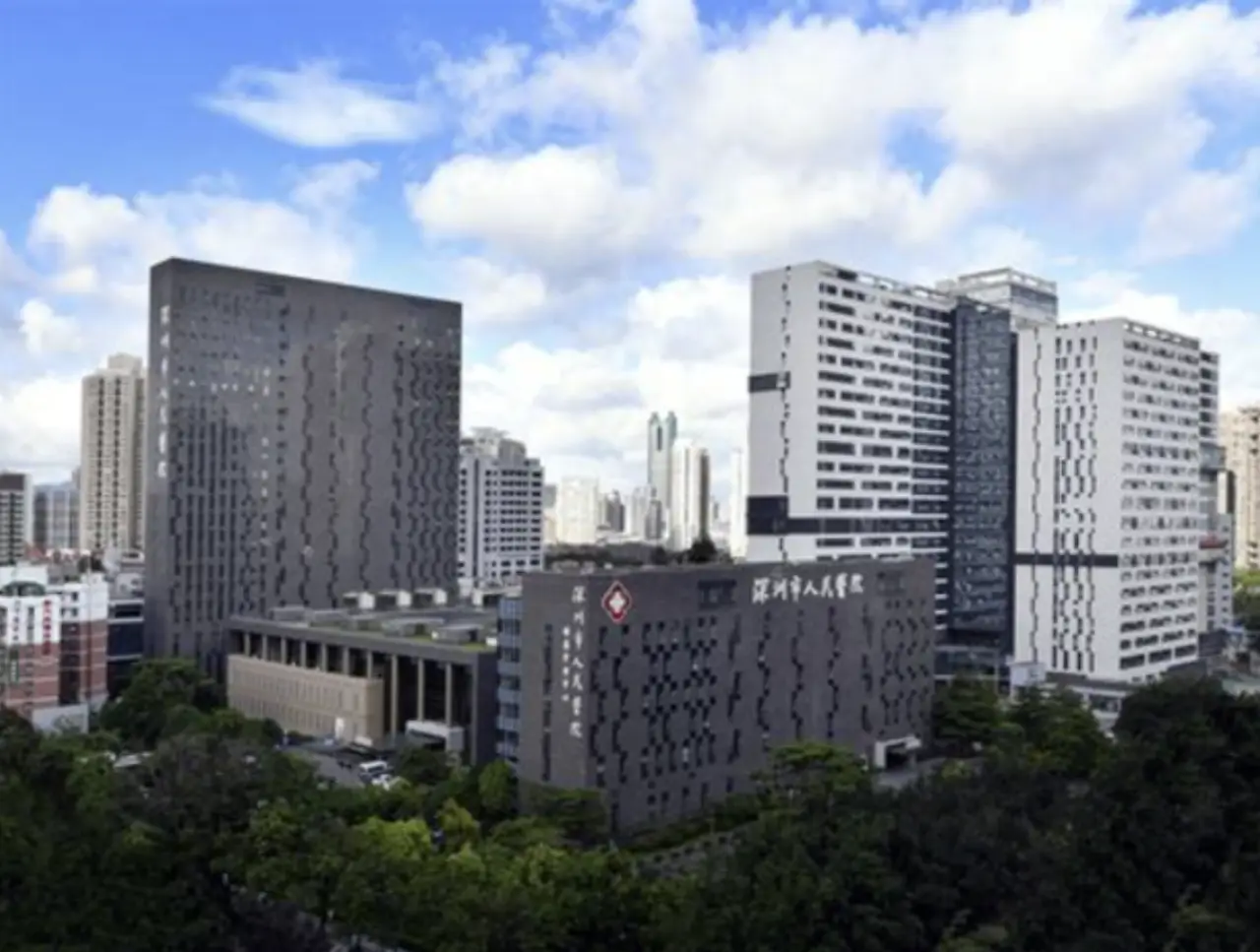
Shenzhen People's Hospital (深圳市人民医院) was established in 1946 in Shenzhen, as a Grade 3A comprehensive hospital, with professional advantages in 心血管医学中心, 肿瘤与放射治疗中心, 神经医学中心(脑卒中与神经外科) and other fields.
The University of Hong Kong–Shenzhen Hospital (香港大学深圳医院) was established in 2012 in Shenzhen, as a 其他 comprehensive hospital, with professional advantages in Cardiovascular Medical Center, Oncology Medical Center, Neurology Medical Center (Stroke and Neurointervention) and other fields.