Xinhua Hospital, Shanghai Jiao Tong University School of Medicine
上海交通大学医学院附属新华医院
Shanghai
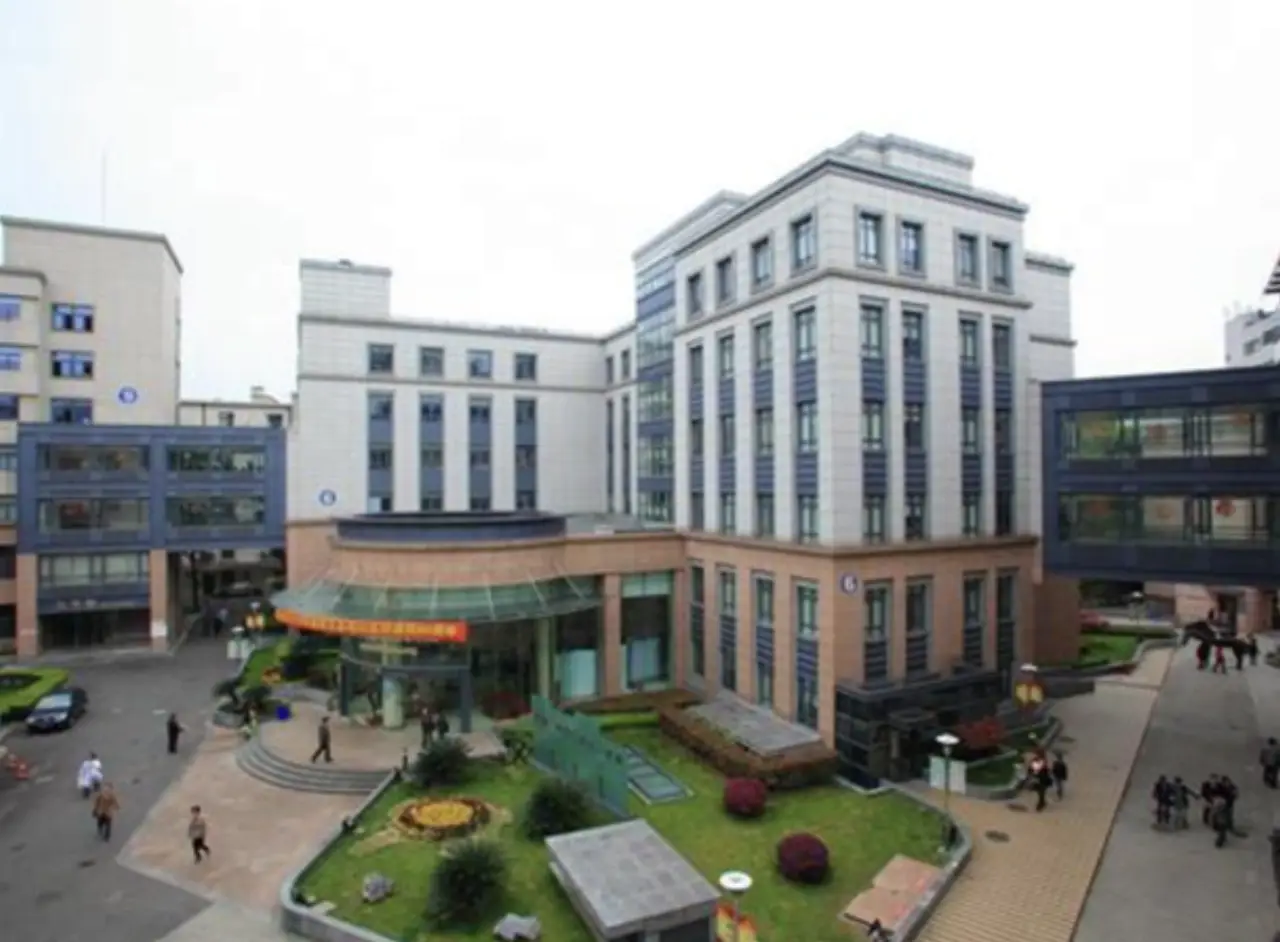
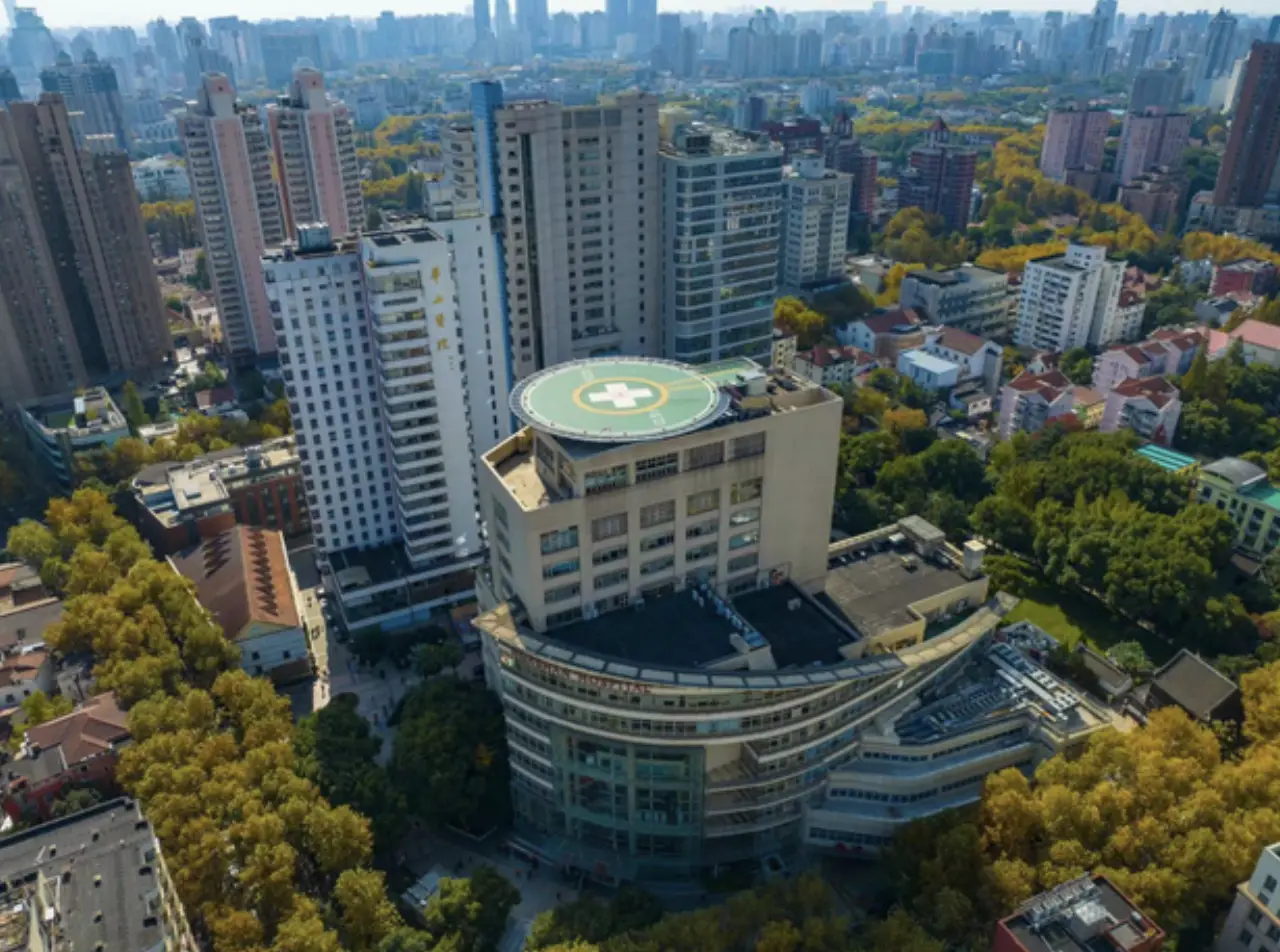
Hospital photos
1 / 4
Overview
Xinhua Hospital is a two-campus Grade 3A comprehensive teaching hospital affiliated with Shanghai Jiao Tong University School of Medicine. Its Yangpu and Fengxian campuses provide care across the lifespan, combining adult tertiary medicine with perinatal services and a complete pediatric subspecialty system.
Why this hospital
A whole-lifespan tertiary-care system distinguished by the combination of perinatal medicine, complete pediatric subspecialty coverage, and broad adult hospital services across two Shanghai campuses.
Clinical capabilities
Complex case management
Xinhua combines perinatal medicine and complete pediatric subspecialty services with adult tertiary programs including cardiac and great-vessel surgery, general surgery, emergency care, dermatology, ENT and head-and-neck surgery, laboratory medicine, and clinical pharmacy. Its technology platform includes TOMO radiotherapy and surgical robots.
Key departments
Departments and specialty centers known for their expertise
Pediatric Digestive and Nutrition Center
Specialty center
Focuses on pediatric digestive diseases, nutrition, and metabolic disorders. Standardized procedures include enteroscopy, painless gastroscopy and colonoscopy, pH impedance monitoring, intestinal microecology, and nutritional interventions, forming an integrated diagnostic and treatment pathway of digestive endoscopy - nutrition clinic - multidisciplinary consultation.
Pediatric Surgery and Congenital Malformation Repair Center
Specialty center
Focuses on minimally invasive and precise repair of digestive tract malformations, urinary and reproductive system malformations, and craniofacial malformations; combined with intraoperative imaging and 3D reconstruction to achieve individualized surgical plans for complex malformations.
Congenital Heart Disease and Pediatric Cardiovascular Center
Specialty center
Centered on pediatric cardiac surgery and cardiovascular intervention, covering preoperative imaging evaluation, interventional closure, extracorporeal circulation surgery, and postoperative intensive care for congenital heart disease, forming a closed-loop management system in conjunction with anesthesia and echocardiography.
Neonatal Medical Center (NICU)
Specialty center
Possesses advanced neonatal intensive care capabilities, focusing on respiratory support, nutritional management, and high-risk newborn transport for very low/extremely low birth weight infants and premature infants, building an integrated pre-hospital-in-hospital rescue system.
Neurology Center (Pediatric/Adult Collaboration)
Specialty center
Collaborates with neurosurgery, epilepsy center, and neuroimaging to perform surgery for refractory epilepsy, functional nerve regulation, and minimally invasive treatment of intracranial tumors, relying on high-end imaging to achieve precise positioning and intraoperative navigation.
Obstetrics and Gynecology and Fetal Medicine Center
Specialty center
Features high-risk pregnancy management, prenatal diagnosis of fetal structural abnormalities, and intrauterine treatment, connecting the entire chain of prenatal-delivery-newborn rescue, emphasizing collaboration between maternal-fetal medicine and neonatology.
Orthopedics and Scoliosis Correction Center
Specialty center
Focuses on scoliosis, limb deformities, and sports medicine in children and adolescents, relying on preoperative 3D planning and intraoperative navigation to perform minimally invasive correction and accelerated rehabilitation.
Rare Disease and Genetic Medicine Center
Specialty center
Integrates clinical genetics, metabolic disease, and precision medicine platforms to conduct whole-exome sequencing, metabolomics, and phenotype-gene integration, providing genetic counseling and individualized follow-up.
Tumor and Hematologic Tumor Center (Focus on Pediatric Tumors)
Specialty center
Covers standardized chemotherapy for solid tumors and hematologic tumors, pre-bone marrow transplantation evaluation, and multidisciplinary comprehensive treatment, gradually introducing molecular subtyping and minimal residual disease (MRD) monitoring to guide treatment.
Digestive Endoscopy and Minimally Invasive Intervention Center
Specialty center
Routinely performs advanced operations such as ESD/EMR, ERCP, EUS-guided intervention and hemostasis, combined with spectral imaging and intraoperative ultrasound to achieve precise positioning and minimally invasive treatment.
Advanced equipment
TOMO radiotherapy system
Surgical robots
Frequently asked questions
Common questions from international patients
Compiled from the hospital's official website and other public sources. Details may change, so please confirm with us before you travel.
Eye & ENT Hospital of Fudan University (复旦大学附属眼耳鼻喉科医院) was established in 1952 in Shanghai, as a Grade 3A comprehensive hospital, with professional advantages in Cataract and Refractive Surgery Center, Cornea and Ocular Surface Disease Center, Glaucoma Center and other fields.
Huashan Hospital, Fudan University (复旦大学附属华山医院) was established in 1907 in Shanghai, as a Grade 3A comprehensive hospital, with professional advantages in Neuromedicine Center (Neurosurgery/Neurology/Neuro-ICU), Cerebrovascular and Stroke Center, Functional Neurosurgery and Neuromodulation Center and other fields.
Ruijin Hospital, Shanghai Jiao Tong University School of Medicine (上海交通大学医学院附属瑞金医院) was established in 1907 in Shanghai, as a Grade 3A comprehensive hospital, with professional advantages in National Clinical Research Center for Metabolic Diseases (Endocrinology and Metabolism Center), Hematologic Oncology and Hematopoietic Center (Joint with Shanghai Institute of Hematology), Precision Medicine and Medical Genomics Center and other fields.