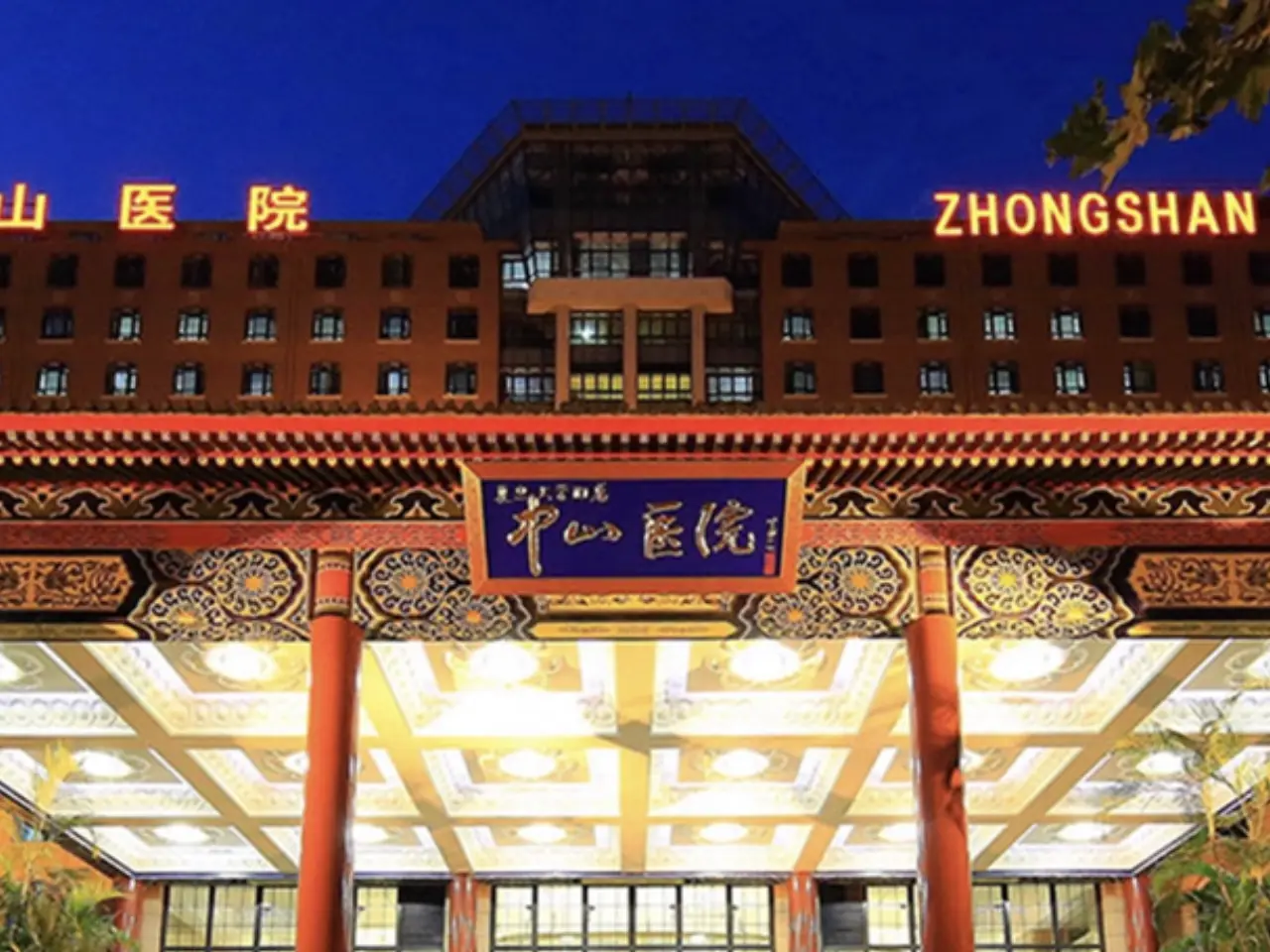
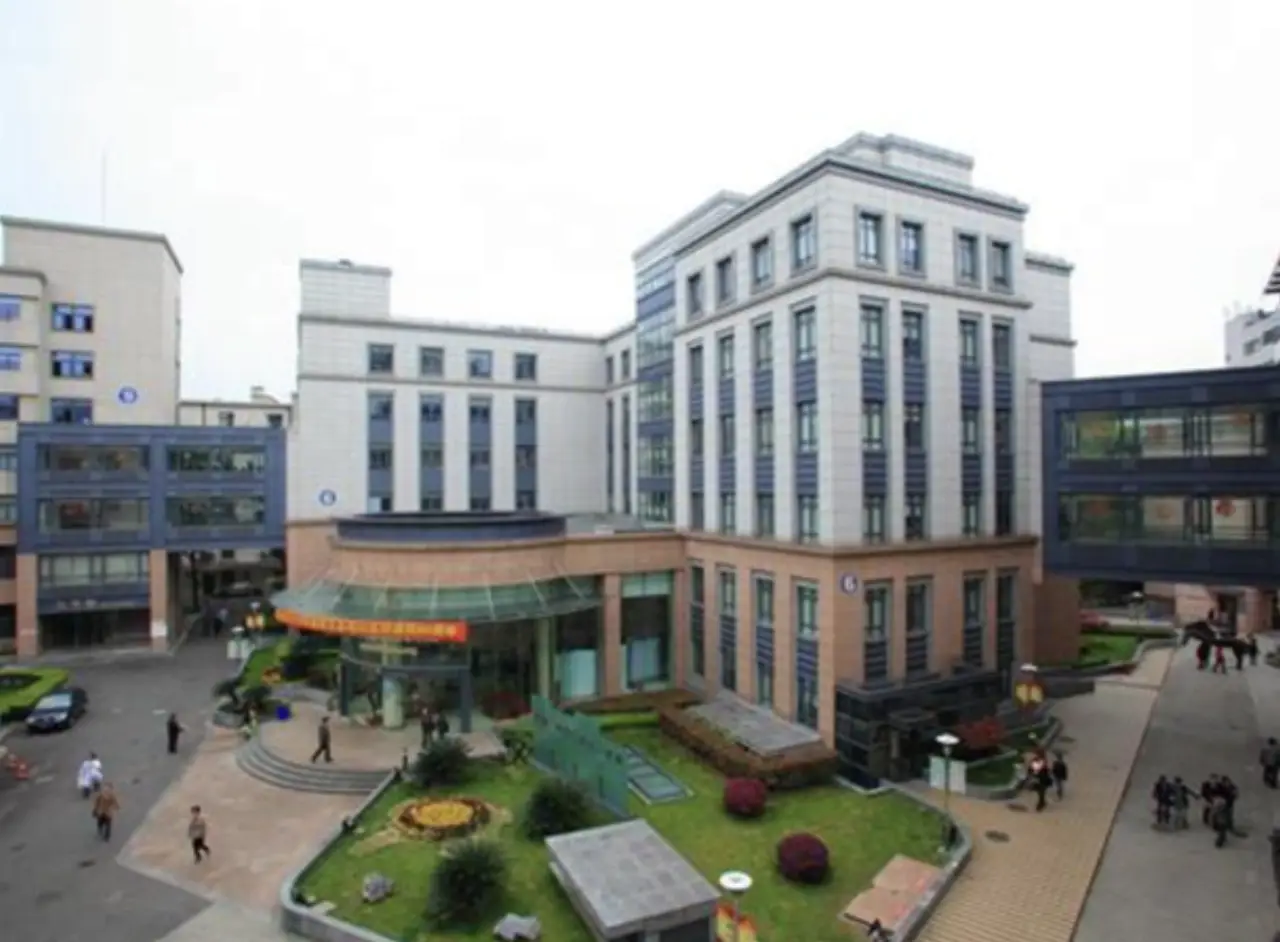
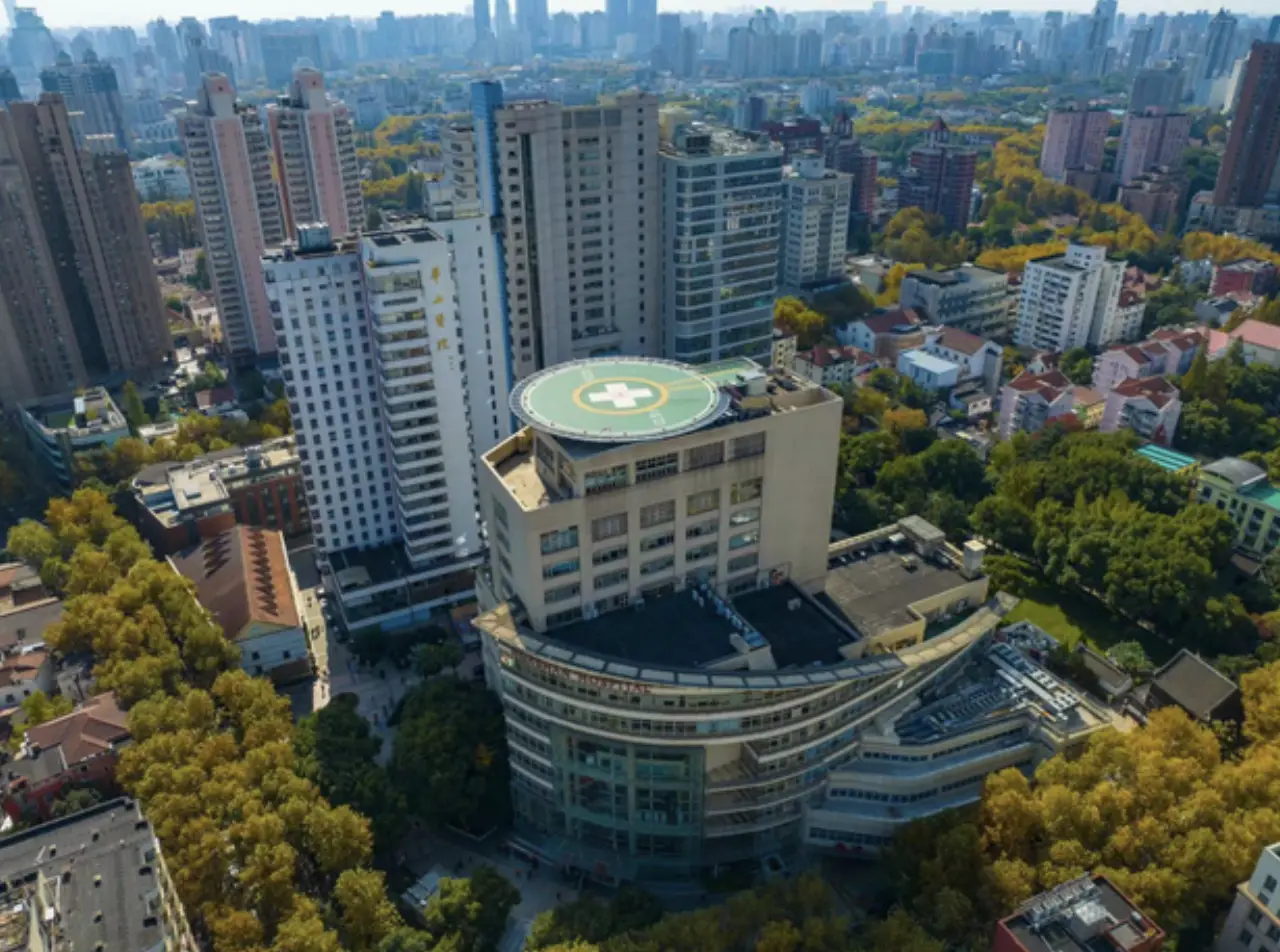
Zhongshan Hospital is a Grade 3A comprehensive teaching hospital affiliated with Fudan University. Its longstanding clinical strengths are cardiovascular disease, liver cancer, kidney disease, and respiratory disease, supported by a broad national key-specialty base.
Why this hospital
A major Fudan-affiliated comprehensive hospital with established depth in cardiovascular medicine, liver cancer, nephrology, and respiratory disease and a wide national key-specialty platform.
Clinical capabilities
Complex case management
Zhongshan Hospital provides comprehensive tertiary care with major clinical programs in cardiovascular disease, liver cancer, kidney disease, and respiratory disease. Its 2017 Fudan profile reported 18 national key clinical specialties and substantial surgical and inpatient activity, though those activity figures are historical.
Key departments
Departments and specialty centers known for their expertise
Cardiovascular Medicine Center
Specialty center
Specializes in interventional cardiology and minimally invasive treatment of structural heart disease, covering TAVR/TEER, complex coronary CTO, full chamber physiological pacing, and heart failure device therapy (CRT/ICD); multidisciplinary (cardiac surgery, anesthesia, imaging) collaboration in endovascular repair and hybrid surgery for aortic dissection, representing a high domestic level.
Liver Cancer and Hepatobiliary Surgery Center (Fudan University Liver Cancer Institute)
Specialty center
Internationally influential in standardized comprehensive diagnosis and treatment and translational research of primary liver cancer, forming a full-chain program of "surgical resection + minimally invasive ablation + TACE/radioembolization + systemic therapy"; accumulated a large number of difficult cases in precise resection of complex hilar cholangiocarcinoma, giant liver cancer, and management of complications of portal hypertension.
Organ Transplantation Center
Specialty center
Leading with liver transplantation, carrying out multi-organ transplantation such as kidney transplantation and peri-transplantation management; building an immune monitoring and infection prevention and control platform to promote precise medication and long-term survival quality improvement after transplantation.
Thoracic Tumor and Thoracic Surgery Minimally Invasive Center
Specialty center
Featuring thoracoscopic/robotic minimally invasive surgery for lung cancer and mediastinal tumors, combined with precise staging and Enhanced Recovery After Surgery (ERAS), implementing sublobar precise resection and intraoperative rapid pathology strategies for early lung nodules.
Digestive Diseases and Endoscopy Center
Specialty center
Carrying out high-difficulty endoscopic submucosal dissection (ESD), endoscopic full-thickness resection (EFTR), ERCP/SpyGlass biliary and pancreatic endoscopic treatment, constructing an integrated diagnosis and treatment pathway for gastrointestinal, biliary and pancreatic, and liver diseases.
Interventional Medicine Center
Specialty center
Focusing on liver cancer TACE/radioactive microspheres, portal hypertension intervention, peripheral vascular and tumor ablation, combined with image fusion navigation and three-dimensional printing preoperative evaluation to achieve minimally invasive and precise treatment of tumors and vascular diseases.
Imaging Medicine and Nuclear Medicine Center
Specialty center
Equipped with high-end spectral/dual-source CT, 3T MRI group and molecular imaging platform, providing tumor staging, cardiovascular function assessment and preoperative planning; nuclear medicine carries out PET-CT precise molecular imaging and radionuclide therapy.
Precision Medicine and Translational Medicine Center
Specialty center
Conducting multi-omics (gene, protein, metabolism) and clinical cohort studies around tumors, cardiovascular, and metabolic diseases, building a standardized biobank and companion diagnostic platform to promote individualized medication and efficacy prediction.
Critical Care Medicine and Emergency Critical Care Center
Specialty center
Comprehensive critical care capabilities cover ECMO, continuous renal replacement therapy (CRRT), bedside ultrasound and multi-organ function support, establishing chest pain center and stroke treatment green channels to achieve full closed-loop management.
Frequently asked questions
Common questions from international patients
Compiled from the hospital's official website and other public sources. Details may change, so please confirm with us before you travel.
Eye & ENT Hospital of Fudan University (复旦大学附属眼耳鼻喉科医院) was established in 1952 in Shanghai, as a Grade 3A comprehensive hospital, with professional advantages in Cataract and Refractive Surgery Center, Cornea and Ocular Surface Disease Center, Glaucoma Center and other fields.
Huashan Hospital, Fudan University (复旦大学附属华山医院) was established in 1907 in Shanghai, as a Grade 3A comprehensive hospital, with professional advantages in Neuromedicine Center (Neurosurgery/Neurology/Neuro-ICU), Cerebrovascular and Stroke Center, Functional Neurosurgery and Neuromodulation Center and other fields.
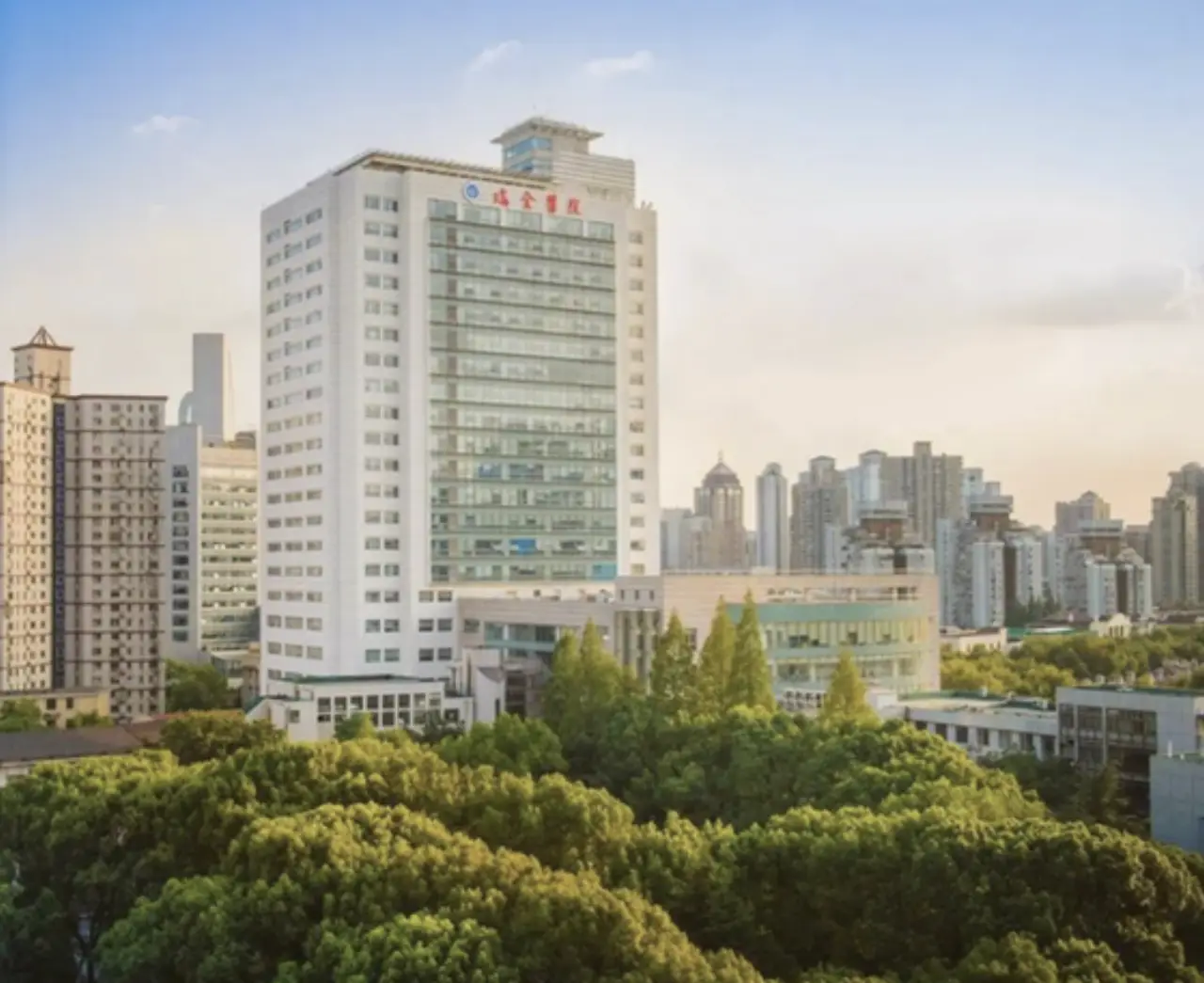
Ruijin Hospital, Shanghai Jiao Tong University School of Medicine (上海交通大学医学院附属瑞金医院) was established in 1907 in Shanghai, as a Grade 3A comprehensive hospital, with professional advantages in National Clinical Research Center for Metabolic Diseases (Endocrinology and Metabolism Center), Hematologic Oncology and Hematopoietic Center (Joint with Shanghai Institute of Hematology), Precision Medicine and Medical Genomics Center and other fields.