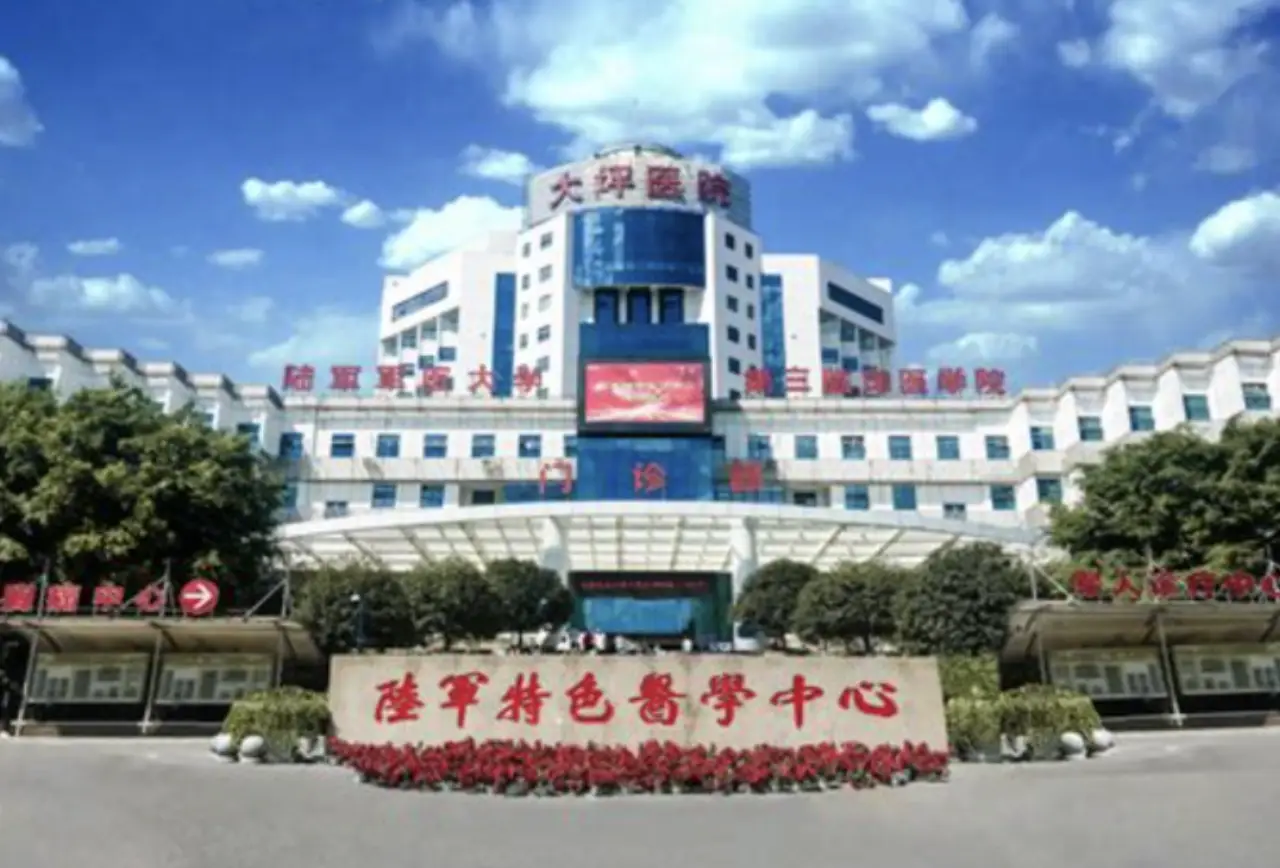
The PLA Army Medical Center, publicly known as Daping Hospital, was reorganized in 2018 from Army Medical University's Third Affiliated Hospital and Institute of Field Surgery and remains a large military hospital integrating medical care, research, teaching, and operational medical support.
Why this hospital
A military-leading, internationally oriented Army medical center anchored in combat-trauma care and translation of military medical research.
Clinical capabilities
Complex case management
A military teaching hospital centered on combat-trauma medicine, with an integrated trauma-to-rehabilitation platform and additional strengths in cardiovascular and cerebrovascular care, craniofacial multidisciplinary care, transplantation, minimally invasive surgery, and robotic thoracic surgery.
Key departments
Departments and specialty centers known for their expertise
Trauma Medical Center (National Trauma Rescue System Core Unit)
Specialty center
Characterized by multidisciplinary collaboration, it constructs an integrated trauma rescue process of 'pre-hospital-emergency-surgery-ICU-rehabilitation', carries out damage control resuscitation, rapid assessment and graded treatment of compound/multiple injuries, and has helicopter air-ground linkage transfer, emergency green channel and rapid imaging pathway, with strong regional trauma rescue capabilities.
Burn and Plastic Repair Center
Specialty center
Specializes in early debridement and eschar excision and skin grafting for severe burns, comprehensive scar management, microsurgical repair and functional reconstruction of complex soft tissue defects, equipped with dedicated burn ICU, temperature-controlled humidification system and infection isolation system, and carries out clinical application research of biological dressings and regenerative medicine materials.
Orthopedics and Sports Medicine Center
Specialty center
Covers trauma orthopedics, spine surgery, joint replacement and sports medicine, and carries out minimally invasive endoscopic spinal decompression/fusion, rapid rehabilitation total hip/knee replacement, and reconstruction of complex pelvic acetabular fractures; preoperative 3D modeling and intraoperative navigation improve surgical accuracy.
Neurology Medical Center (Neurosurgery/Neurology/Stroke Center)
Specialty center
Establishes a comprehensive stroke center channel, carries out emergency thrombectomy for large vessels, endovascular embolization of aneurysms, and microsurgery and endoscopic surgery for intracranial tumors; intraoperative neuroelectrophysiology and high-end imaging assistance improve the safety and whole-process management capabilities of precise craniocerebral surgery.
Cardiovascular Medical Center
Specialty center
Integrated diagnosis and treatment of cardiology/cardiac surgery, minimally invasive interventional treatment of structural heart disease (such as TAVR, left atrial appendage closure), intravascular imaging-guided PCI for complex coronary lesions, three-dimensional mapping ablation of arrhythmia and device therapy for heart failure, and standardized postoperative rapid rehabilitation and secondary prevention management.
Digestive Diseases and Minimally Invasive Surgery Center
Specialty center
Gastrointestinal, hepatobiliary and pancreatic minimally invasive and accelerated rehabilitation surgery (ERAS), laparoscopic/robotic precise resection and lymph node dissection; the Digestive Endoscopy Center carries out EUS, ERCP and early cancer screening and submucosal dissection (ESD), forming a whole-process management system for digestive diseases.
Tumor Multidisciplinary Treatment Center (MDT)
Specialty center
Constructs an integrated MDT pathway of imaging-pathology-surgery-radiotherapy-internal medicine, and implements individualized treatment based on molecular imaging and high-end radiotherapy platforms; emphasizes perioperative immune nutrition and lifestyle intervention to improve long-term survival and quality of life of tumors.
Critical Care Medicine and Extracorporeal Life Support Center (ECMO)
Specialty center
Provides ECMO, CRRT and other organ support for patients with severe trauma, severe pneumonia, cardiogenic shock, etc., establishes a bedside ultrasound evaluation and multi-parameter intelligent monitoring system, and optimizes critical care processes and prognosis evaluation.
Precision Medicine and Translational Medicine Center
Specialty center
Carries out trauma metabolomics/genomics research, individualized medication for tumors and monitoring of minimal residual lesions (MRD), introduces AI image quantitative analysis and preoperative virtual planning, and promotes the closed loop of clinical-scientific research-industrial transformation.
Advanced equipment
Da Vinci surgical robot
Radiotherapy robot
Linear accelerator
PET
CT
Frequently asked questions
Common questions from international patients
Compiled from the hospital's official website and other public sources. Details may change, so please confirm with us before you travel.
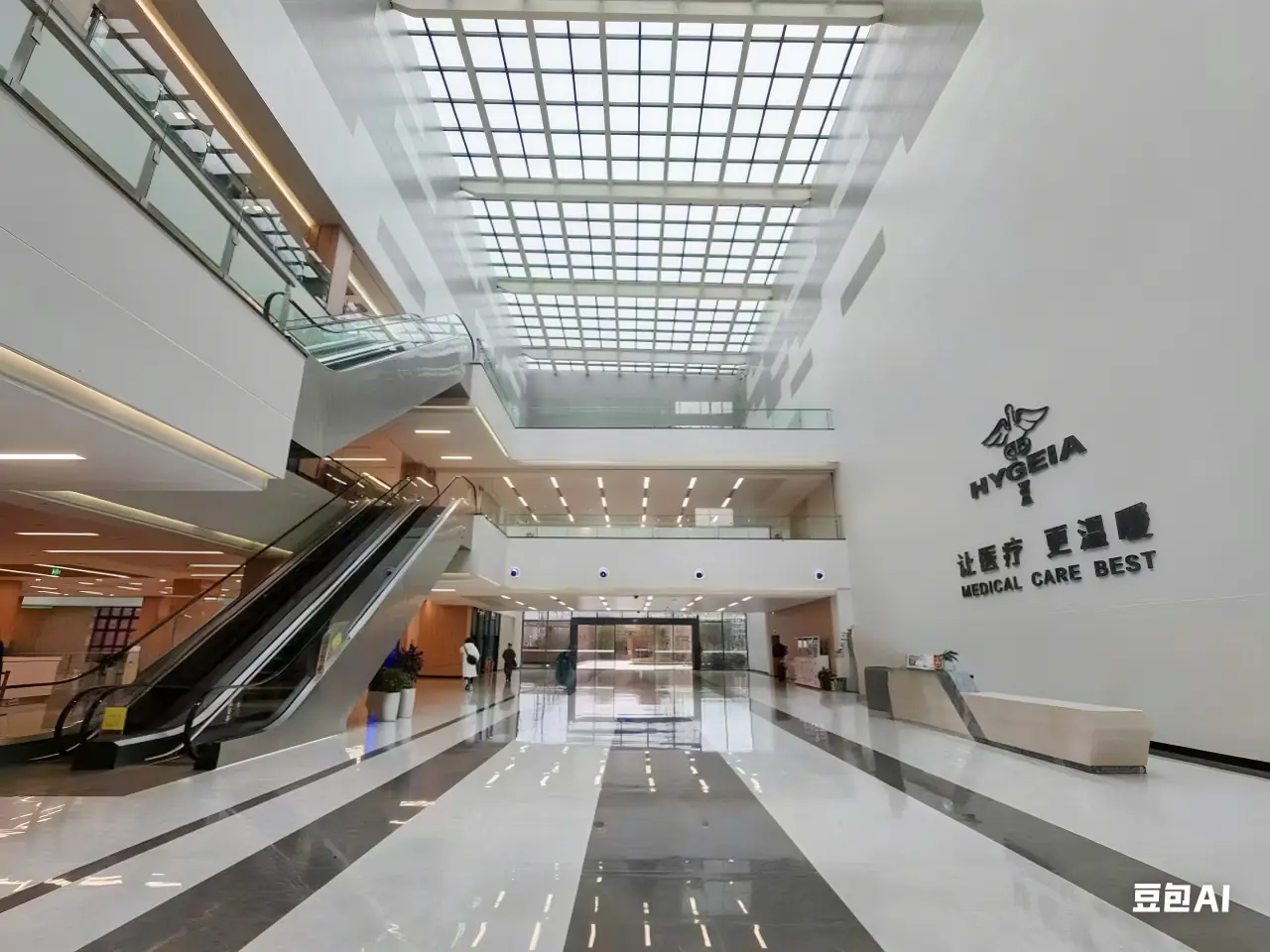
Chongqing Hygeia Hospital is affiliated with Hygeia Medical Group, a Hong Kong main board listed company with investment from central enterprises, and is among China's top 500 listed companies. The group integrates the research and development, production and manufacturing of large-scale medical equipment, and the operation and management of chain hospitals. Hygeia owns more than 20 wholly-owned hospitals nationwide. As of now, there are nearly 20,000 open beds and approximately 15,000 employees. The business spans over ten provinces including Shanghai, Chongqing, Jiangsu, Shandong, Shaanxi, Fujian, Guangxi, and Yunnan. Chongqing Hygeia Hospital covers an area of 83 acres, with a planned construction area of approximately 180,000 square meters and a total investment of about 2 billion yuan. It is established with the approval of the Chongqing Municipal Health Commission and built according to the standards of a tertiary first-class hospital, featuring oncology prevention and treatment as its specialty. It is a key livelihood project in Chongqing High-tech Zone and serves as a teaching hospital for the School of Life Sciences and the School of Bioengineering at Chongqing University. The hospital integrates clinical, scientific research, prevention, and teaching, with a planned capacity of 1,800 beds.
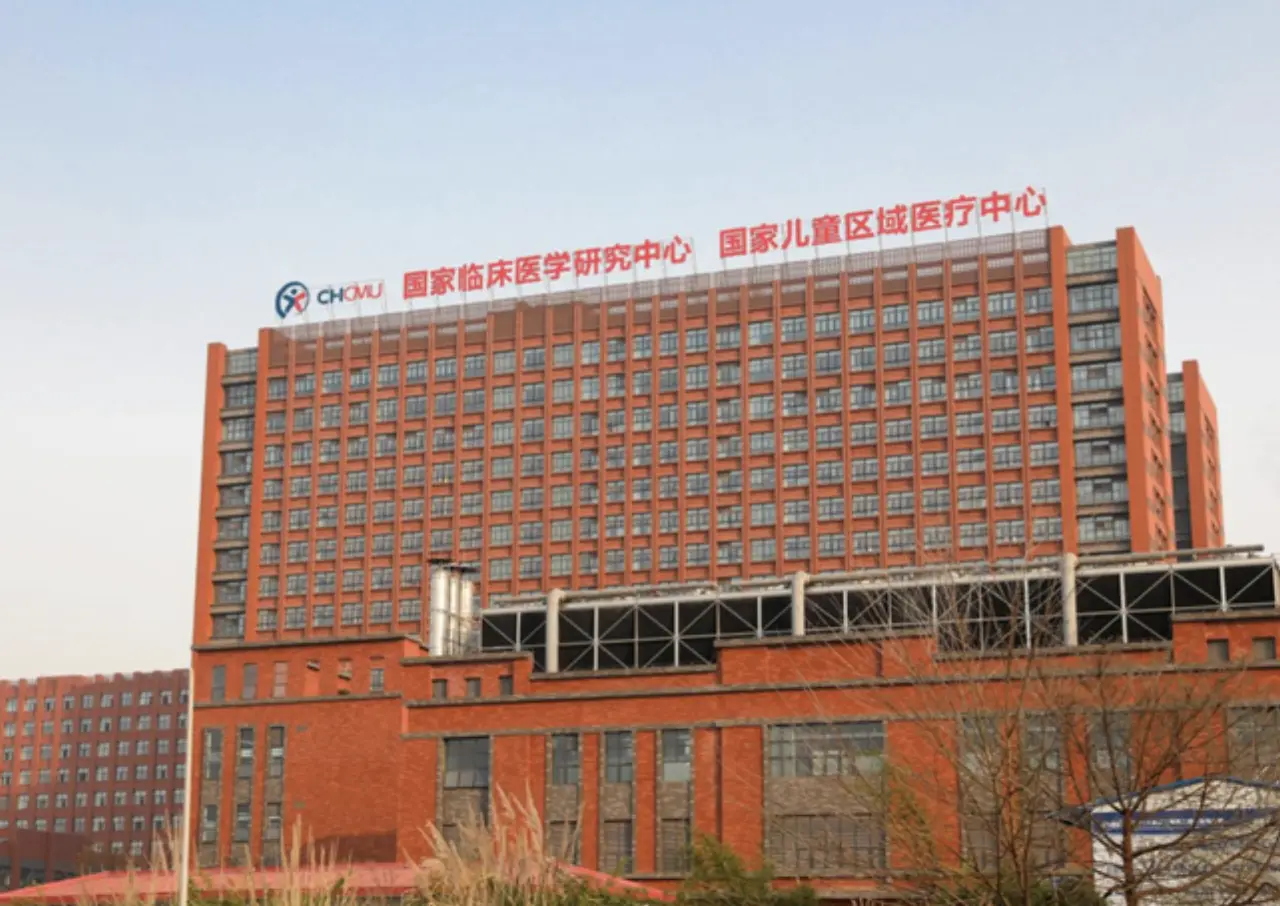
Founded in 1956, the hospital is a tertiary Grade A comprehensive children's hospital and national pediatric regional medical center operating Yuzhong and Liangjiang campuses in Chongqing, with affiliated regional hospitals in Jiangxi and Yibin.
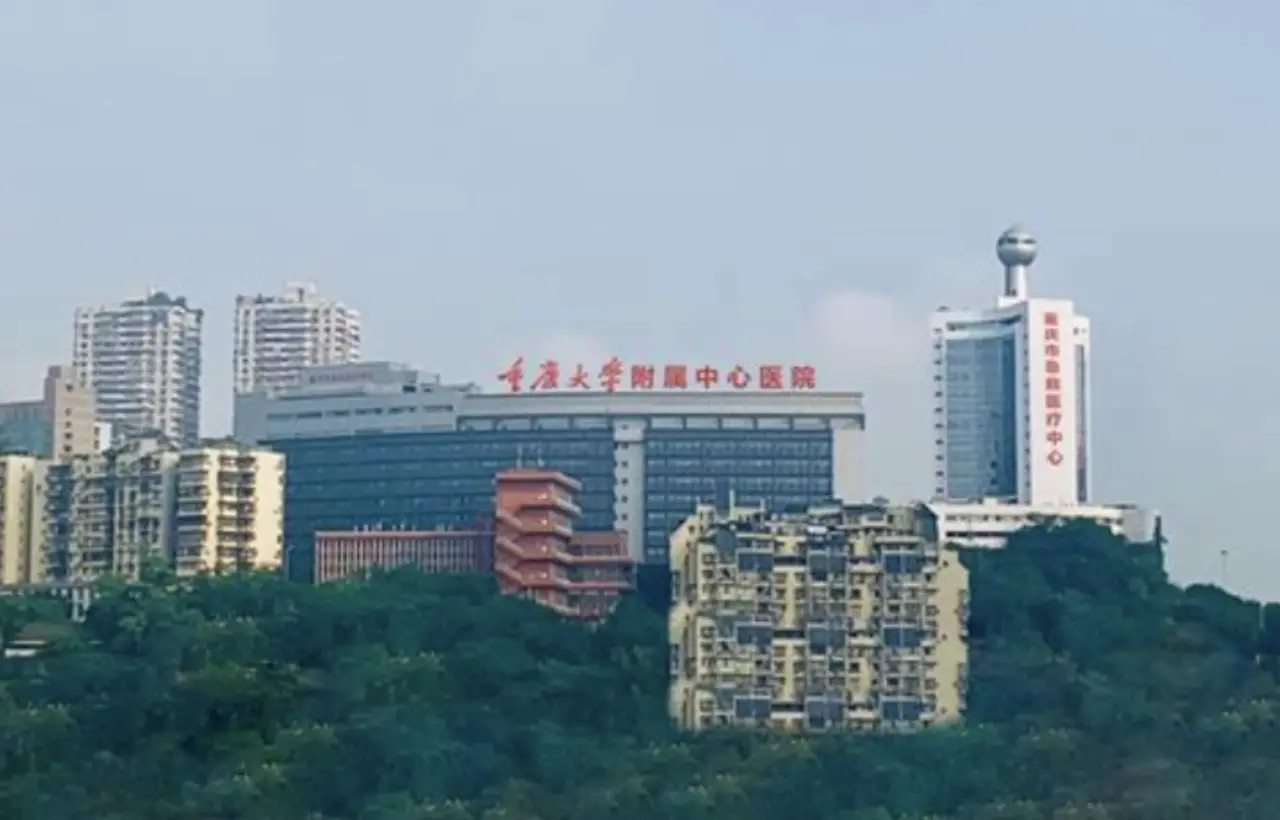
Founded in 1939 and also known as Chongqing Fourth People's Hospital and Chongqing University Central Hospital, the center is a tertiary Grade A teaching hospital integrating municipal emergency dispatch, medical care, research, teaching, prevention, and public rescue.