Southwest Hospital, Army Medical University (The First Affiliated Hospital)
陆军军医大学西南医院(第一附属医院)
Chongqing
Hospital photos
1 / 4
Overview
Southwest Hospital is Army Medical University's First Affiliated Hospital. Established in Nanjing in 1929 and moved to Chongqing in 1941, it is a major military teaching hospital in Shapingba District.
Why this hospital
High-complexity military and civilian care with nationally recognized strength in burns, trauma, hepatobiliary disease, infection, rehabilitation, and precision diagnostics.
Clinical capabilities
Complex case management
A major military tertiary hospital with recognized strengths in severe burns and trauma, infectious and hepatobiliary disease, sports injury and rehabilitation, cardiovascular and cerebrovascular care, digestive endoscopy, precision diagnostics, transplantation, and complex reconstruction.
Key departments
Departments and specialty centers known for their expertise
Burn and Wound Repair Center
Specialty center
Specializes in the treatment of large-area severe burns, complex injuries, inhalation injuries, and comprehensive scar management. It integrates early fluid resuscitation, respiratory support, infection control, and microsurgical reconstruction. It carries out negative pressure therapy, biological dressings and artificial dermis, skin regeneration, and precise scar treatment. The scale and complexity of treatment are among the top in China.
Hepatobiliary and Pancreatic Surgery and Transplantation Center
Specialty center
Specializes in precise surgery and multidisciplinary comprehensive treatment of malignant tumors of the liver, gallbladder, and pancreas. It performs complex hepatectomy, portal vein reconstruction, radical resection of pancreatic cancer, extended resection of hilar cholangiocarcinoma, and liver transplantation. It focuses on ERAS rapid recovery and intraoperative image fusion navigation.
Cardiovascular Medicine Center
Specialty center
Builds a collaborative platform for cardiology, cardiac surgery, anesthesia, and imaging. It performs structural heart disease interventions such as TAVR and TEER, complex coronary CTO recanalization, atrial fibrillation cryo/radiofrequency ablation, minimally invasive/hybrid treatment of congenital heart disease, coronary artery bypass grafting, and precise management of heart failure and electrophysiology.
Neuromedicine Center
Specialty center
Specializes in brain tumors, skull base lesions, cerebrovascular diseases (aneurysms/malformations/acute stroke thrombectomy), and functional neurosurgery (Parkinson's DBS, epilepsy surgery). It uses intraoperative multimodal navigation and neuromonitoring to enhance minimally invasive surgery and functional protection.
Comprehensive Tumor Diagnosis and Treatment Center (MDT)
Specialty center
With multidisciplinary joint clinics and MDT discussions as the core, it integrates surgery, radiotherapy, internal medicine, imaging, and pathology to achieve standardized full-course management of gastrointestinal, hepatobiliary, pancreatic, breast, thyroid, urinary, and thoracic tumors, and promotes individualized immunotherapy and targeted therapy regimens.
Trauma and Critical Care Medicine Center
Specialty center
Relying on the military trauma treatment system, it builds a pre-hospital-in-hospital integrated trauma treatment process, emphasizing multiple injuries, complex pelvic/acetabular fractures, and military trauma controlled resuscitation, and is equipped with multidisciplinary joint rescue and ECMO support capabilities.
Digestive Diseases and Endoscopy Center
Specialty center
Performs highly difficult minimally invasive endoscopic treatments, such as esophageal/gastric early cancer ESD, EFTR, POEM, retrograde cholangiopancreatography (ERCP), and cholangioscopy (SpyGlass), to achieve "integrated diagnosis and treatment" and rapid recovery.
Nephrology and Hemodialysis Center
Specialty center
Manages the entire process of acute and chronic renal failure, complex vascular access, CRRT/plasma exchange, and perioperative management of kidney transplantation, implements individualized drug therapy and immune monitoring, and establishes a long-term follow-up system.
Precision Medicine and Translational Medicine Center
Specialty center
Based on high-throughput sequencing, liquid biopsy, and pharmacogenomics, it carries out tumor molecular subtyping, microbial metagenomics, and drug resistance monitoring, and promotes clinical stratified drug use and clinical transformation of new technologies.
Advanced equipment
Da Vinci surgical robot
PET/CT
3.0T MRI
Dual-source CT
ECT
Magnetoencephalography
Large hyperbaric oxygen chamber group
Neurosurgical navigation system
Frequently asked questions
Common questions from international patients
Compiled from the hospital's official website and other public sources. Details may change, so please confirm with us before you travel.
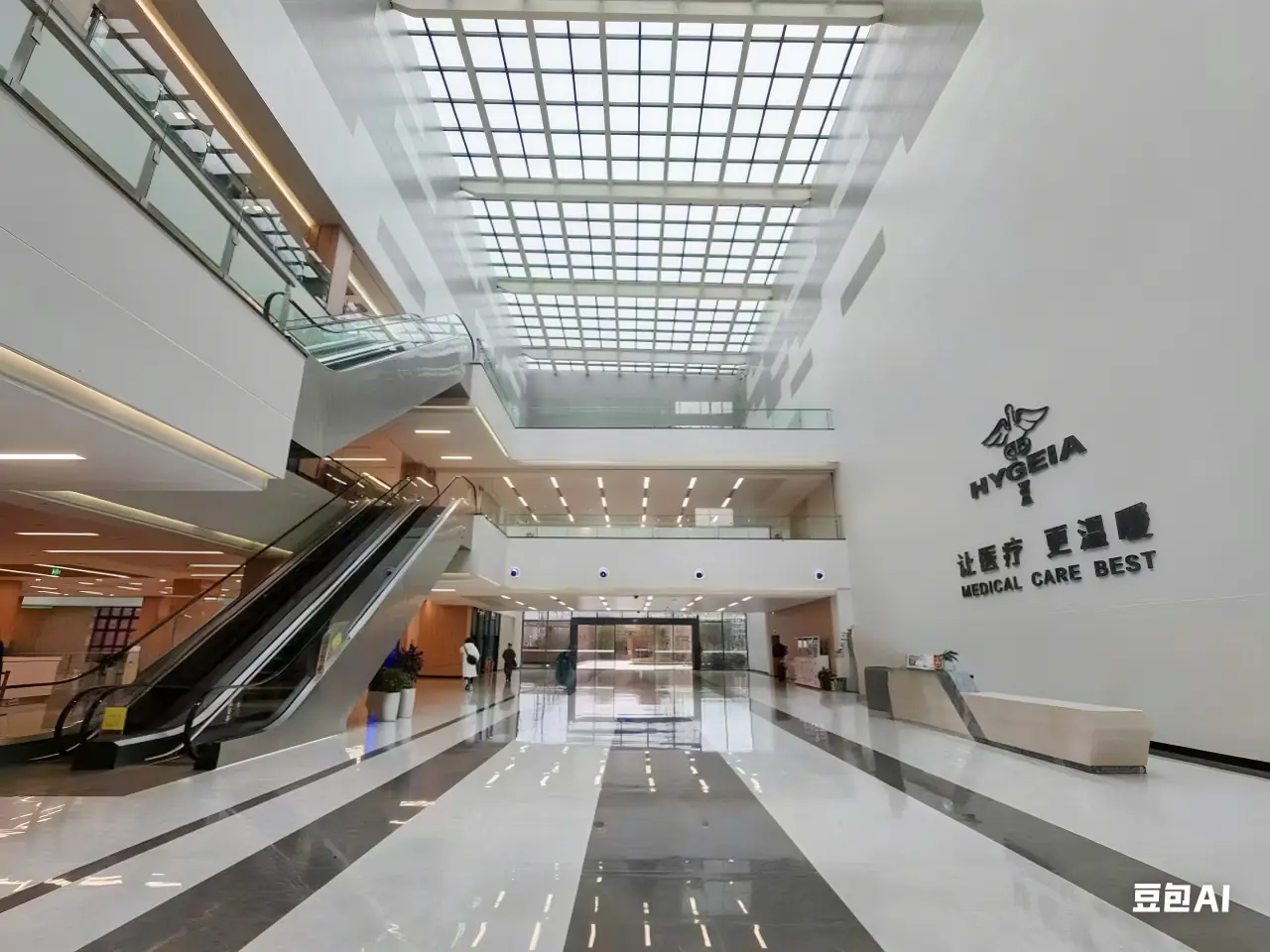
Chongqing Hygeia Hospital is affiliated with Hygeia Medical Group, a Hong Kong main board listed company with investment from central enterprises, and is among China's top 500 listed companies. The group integrates the research and development, production and manufacturing of large-scale medical equipment, and the operation and management of chain hospitals. Hygeia owns more than 20 wholly-owned hospitals nationwide. As of now, there are nearly 20,000 open beds and approximately 15,000 employees. The business spans over ten provinces including Shanghai, Chongqing, Jiangsu, Shandong, Shaanxi, Fujian, Guangxi, and Yunnan. Chongqing Hygeia Hospital covers an area of 83 acres, with a planned construction area of approximately 180,000 square meters and a total investment of about 2 billion yuan. It is established with the approval of the Chongqing Municipal Health Commission and built according to the standards of a tertiary first-class hospital, featuring oncology prevention and treatment as its specialty. It is a key livelihood project in Chongqing High-tech Zone and serves as a teaching hospital for the School of Life Sciences and the School of Bioengineering at Chongqing University. The hospital integrates clinical, scientific research, prevention, and teaching, with a planned capacity of 1,800 beds.
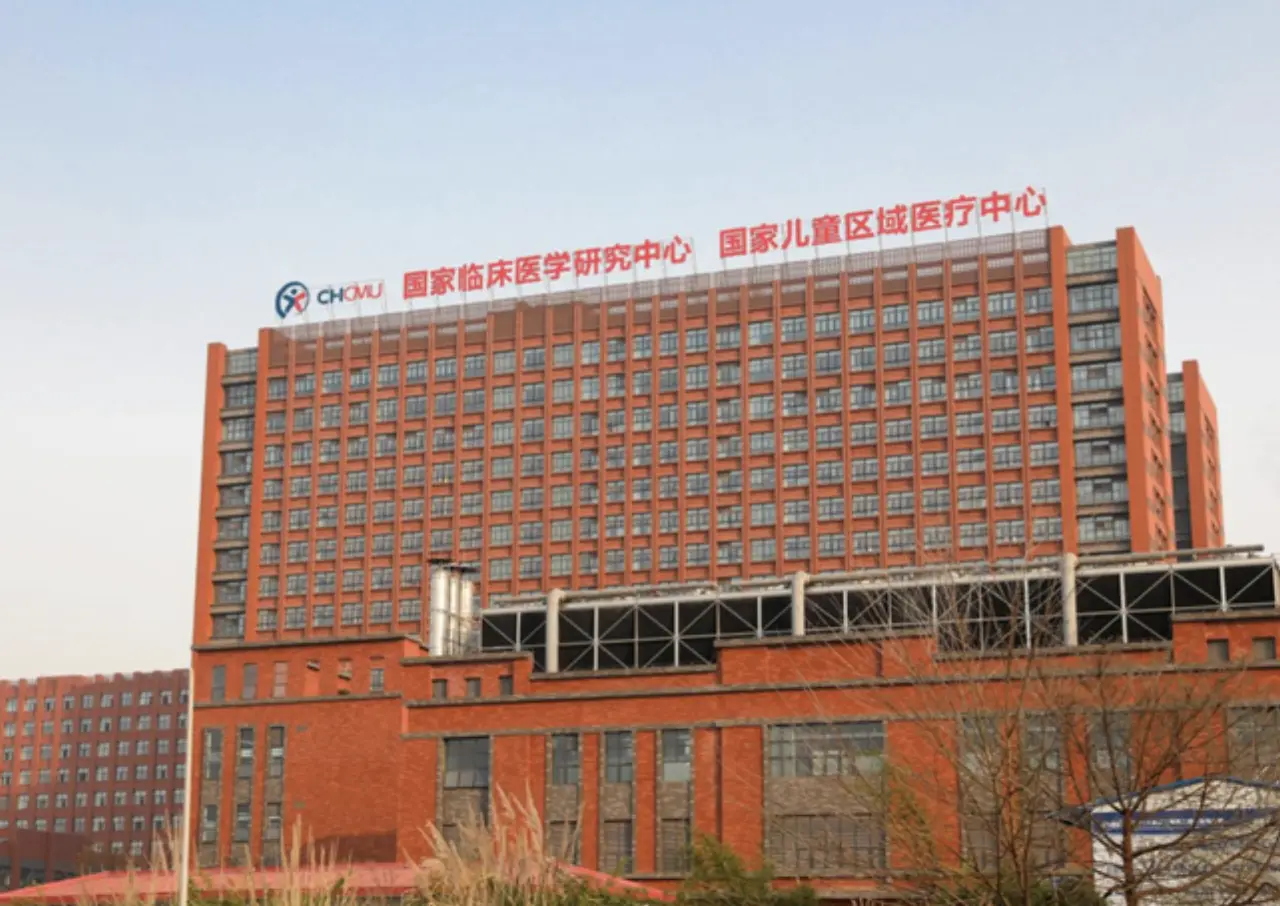
Founded in 1956, the hospital is a tertiary Grade A comprehensive children's hospital and national pediatric regional medical center operating Yuzhong and Liangjiang campuses in Chongqing, with affiliated regional hospitals in Jiangxi and Yibin.
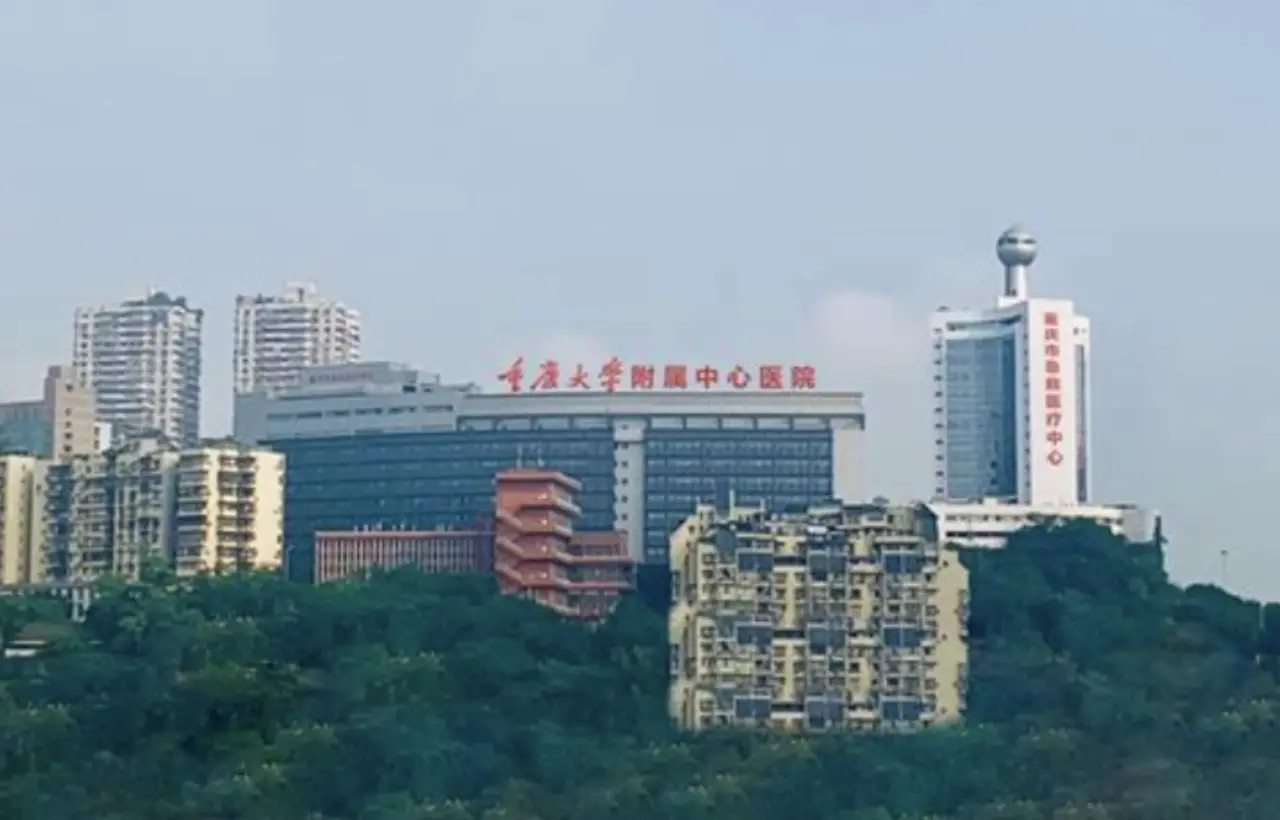
Founded in 1939 and also known as Chongqing Fourth People's Hospital and Chongqing University Central Hospital, the center is a tertiary Grade A teaching hospital integrating municipal emergency dispatch, medical care, research, teaching, prevention, and public rescue.