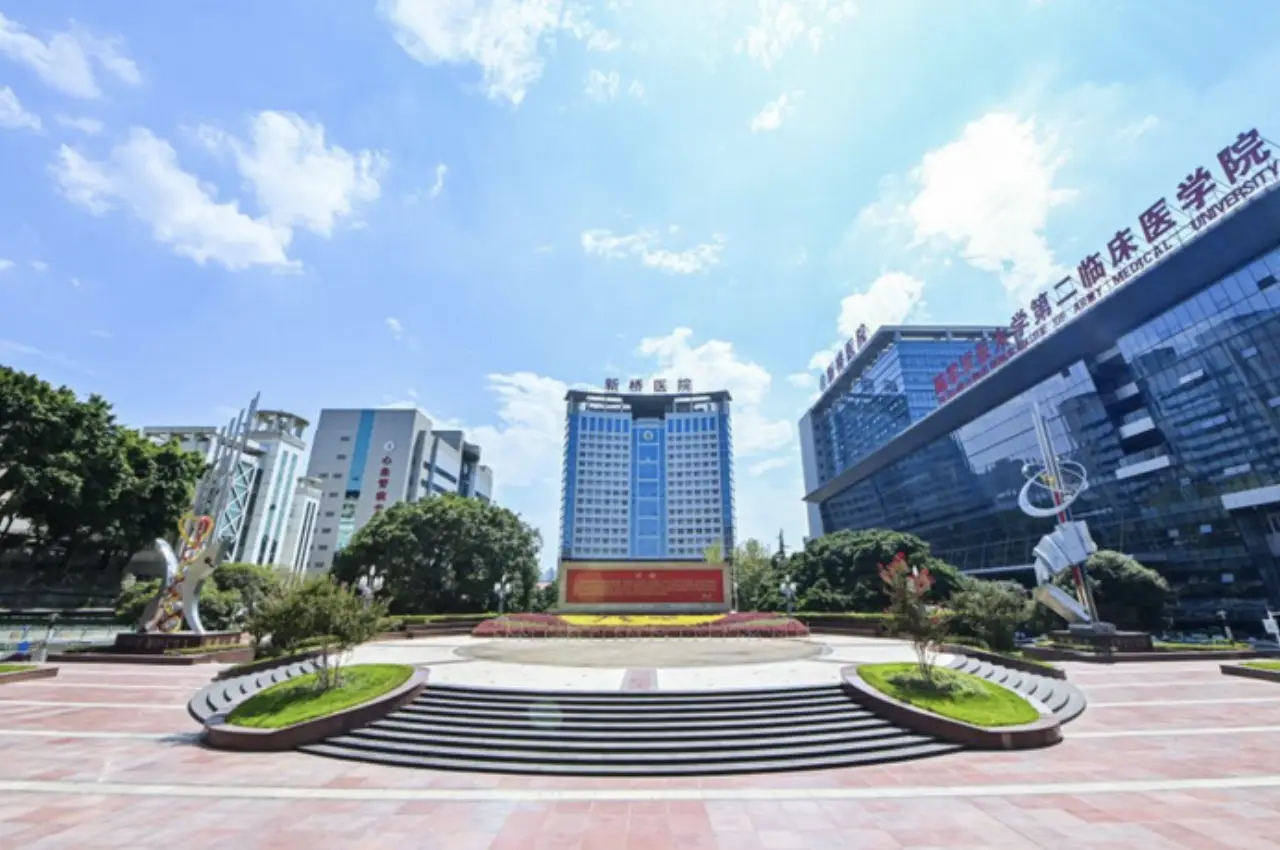
Founded in 1944 and publicly known as Chongqing Xinqiao Hospital, the Army Medical University Second Affiliated Hospital is a large comprehensive tertiary Grade A military hospital integrating teaching, medical care, research, preventive care, and military medical support.
Why this hospital
Build first-class quality and an internationally recognized hospital.
Clinical capabilities
Complex case management
A large military tertiary referral hospital with extensive critical-care and surgical capacity, advanced molecular imaging and radiotherapy, robotic surgery, transplantation, and specialized MDT and rare-disease outpatient models.
Key departments
Departments and specialty centers known for their expertise
Multidisciplinary (MDT) integration, covering thoracic, digestive, urinary, head and neck, and neurological tumors. Possesses precise molecular subtyping, immunotherapy, and radiotherapy platforms. Performs stereotactic radiotherapy (SRS/SBRT) and intraoperative radiotherapy.
Neurology Center
Specialty center
Collaboration between neurosurgery and neurology, performing skull base and microsurgical neurosurgery, functional neurosurgery (epilepsy/Parkinson's), stroke emergency treatment and interventional thrombectomy, with intraoperative neuro-navigation and high-resolution imaging.
Organ Transplantation and Hepatobiliary and Pancreatic Center
Specialty center
Solid organ transplantation of liver, kidney, etc., and complex hepatobiliary and pancreatic surgery (ALPPS, standardized treatment of hilar cholangiocarcinoma). Perioperative three-dimensional reconstruction and intraoperative fluorescence imaging (ICG) are used to evaluate the cutting edge and perfusion.
Respiratory and Critical Care Medicine Center
Specialty center
Standardized management of ARDS, severe pneumonia, and AHRF, with ECMO support, non-invasive and invasive ventilation strategies, bronchoscopic intervention (EBUS/appendiceal valve volume reduction), and rapid etiological detection of infection.
Digestive Diseases and Minimally Invasive Surgery Center
Specialty center
Minimally invasive/laparoscopic/da Vinci robotic surgery for gastrointestinal, hepatobiliary, and pancreatic diseases. The digestive endoscopy center performs advanced endoscopic treatments such as ERCP/EUS/ESD/POEM, emphasizing Enhanced Recovery After Surgery (ERAS) pathways.
Orthopedics and Sports Medicine Center
Specialty center
Spinal scoliosis and degeneration, joint replacement and revision, minimally invasive internal fixation for trauma, and sports medicine reconstruction, using intraoperative three-dimensional navigation, nerve monitoring, and individualized 3D printed guide plates.
Obstetrics and Gynecology and Reproductive Medicine Center
Specialty center
Minimally invasive gynecology and robotic uterine/ovarian surgery, perinatal medicine and fetal medicine joint management, high-risk pregnancy treatment and obstetric critical MDT; reproductive endocrinology and assisted reproductive diagnosis and treatment procedures are standardized.
Precision Medicine and Molecular Diagnosis Center
Specialty center
Tumor and genetic disease detection based on NGS/whole exome/methylation detection, combined with multi-omics and AI-assisted decision-making to develop individualized medication and follow-up plans.
Trauma Emergency and Comprehensive ICU Center
Specialty center
Green channel "one-stop" emergency treatment, trauma resuscitation, damage control surgery and comprehensive treatment of multiple injuries, supporting trauma CT, hybrid operating room to achieve continuous treatment of "imaging-intervention-surgery".
Advanced equipment
Cyclotron
PET/MRI
High-end dual-source CT
Gamma-ray stereotactic radiosurgery system
TOMO helical radiotherapy system
Fourth-generation da Vinci surgical robot
Frequently asked questions
Common questions from international patients
Compiled from the hospital's official website and other public sources. Details may change, so please confirm with us before you travel.
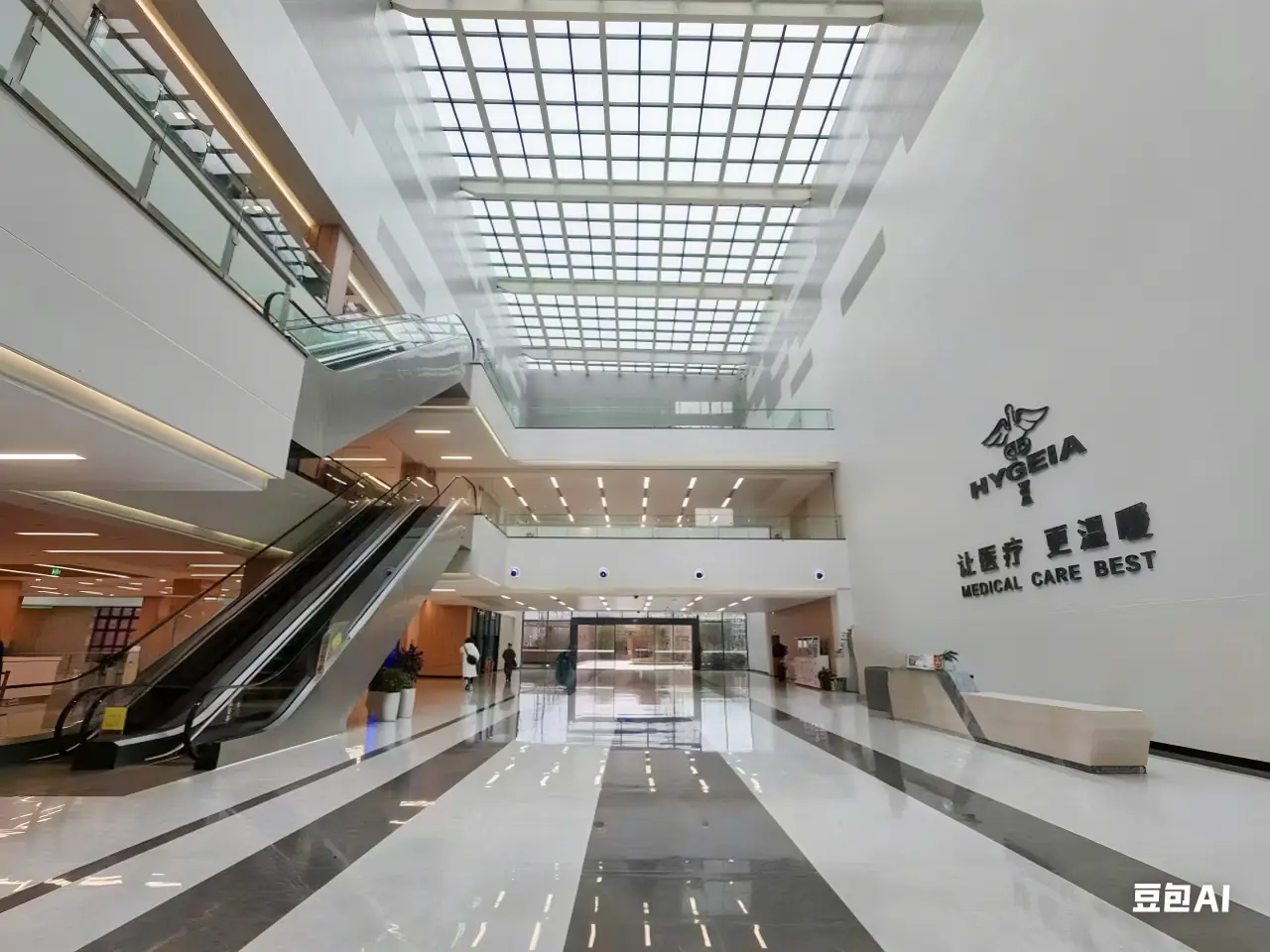
Chongqing Hygeia Hospital is affiliated with Hygeia Medical Group, a Hong Kong main board listed company with investment from central enterprises, and is among China's top 500 listed companies. The group integrates the research and development, production and manufacturing of large-scale medical equipment, and the operation and management of chain hospitals. Hygeia owns more than 20 wholly-owned hospitals nationwide. As of now, there are nearly 20,000 open beds and approximately 15,000 employees. The business spans over ten provinces including Shanghai, Chongqing, Jiangsu, Shandong, Shaanxi, Fujian, Guangxi, and Yunnan. Chongqing Hygeia Hospital covers an area of 83 acres, with a planned construction area of approximately 180,000 square meters and a total investment of about 2 billion yuan. It is established with the approval of the Chongqing Municipal Health Commission and built according to the standards of a tertiary first-class hospital, featuring oncology prevention and treatment as its specialty. It is a key livelihood project in Chongqing High-tech Zone and serves as a teaching hospital for the School of Life Sciences and the School of Bioengineering at Chongqing University. The hospital integrates clinical, scientific research, prevention, and teaching, with a planned capacity of 1,800 beds.
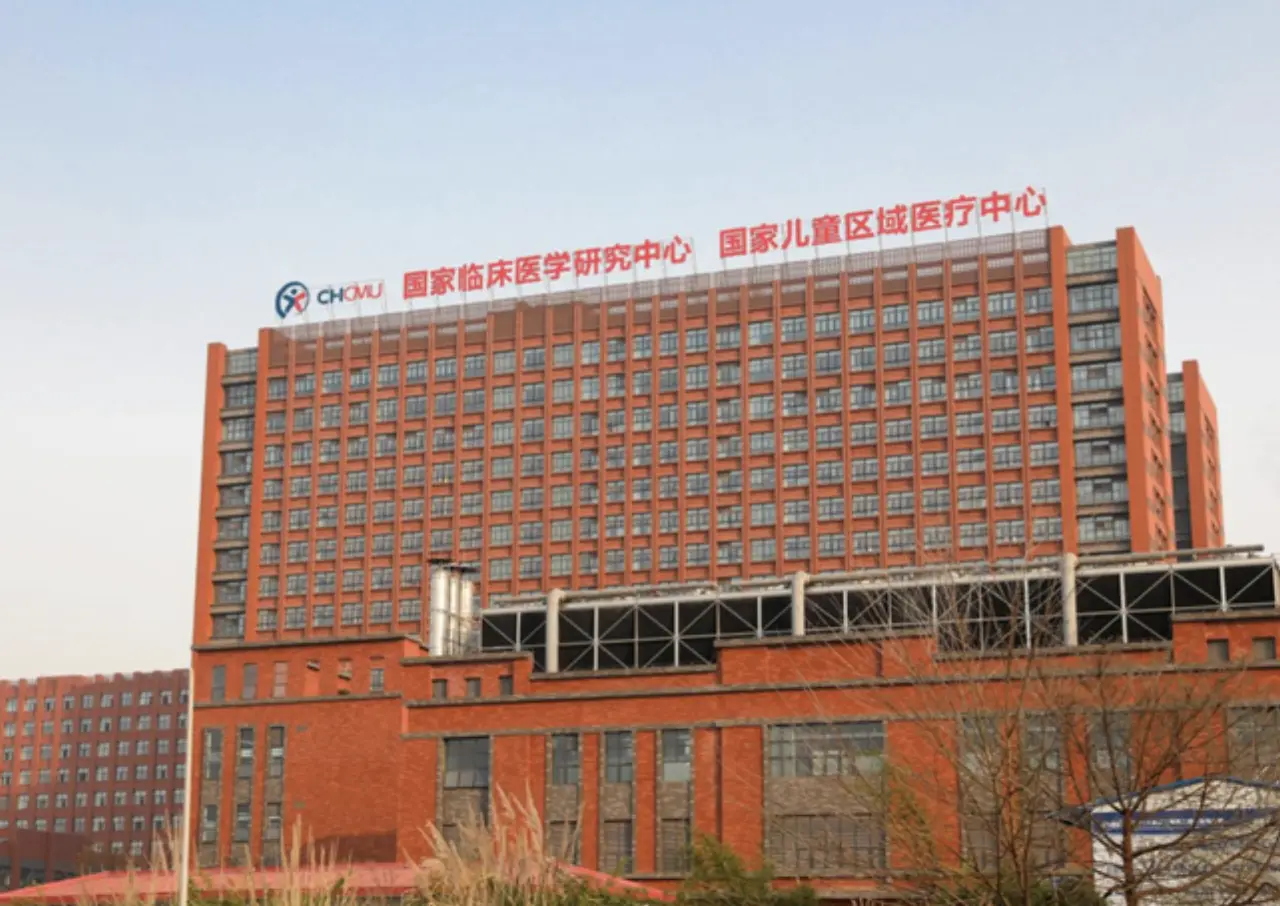
Founded in 1956, the hospital is a tertiary Grade A comprehensive children's hospital and national pediatric regional medical center operating Yuzhong and Liangjiang campuses in Chongqing, with affiliated regional hospitals in Jiangxi and Yibin.
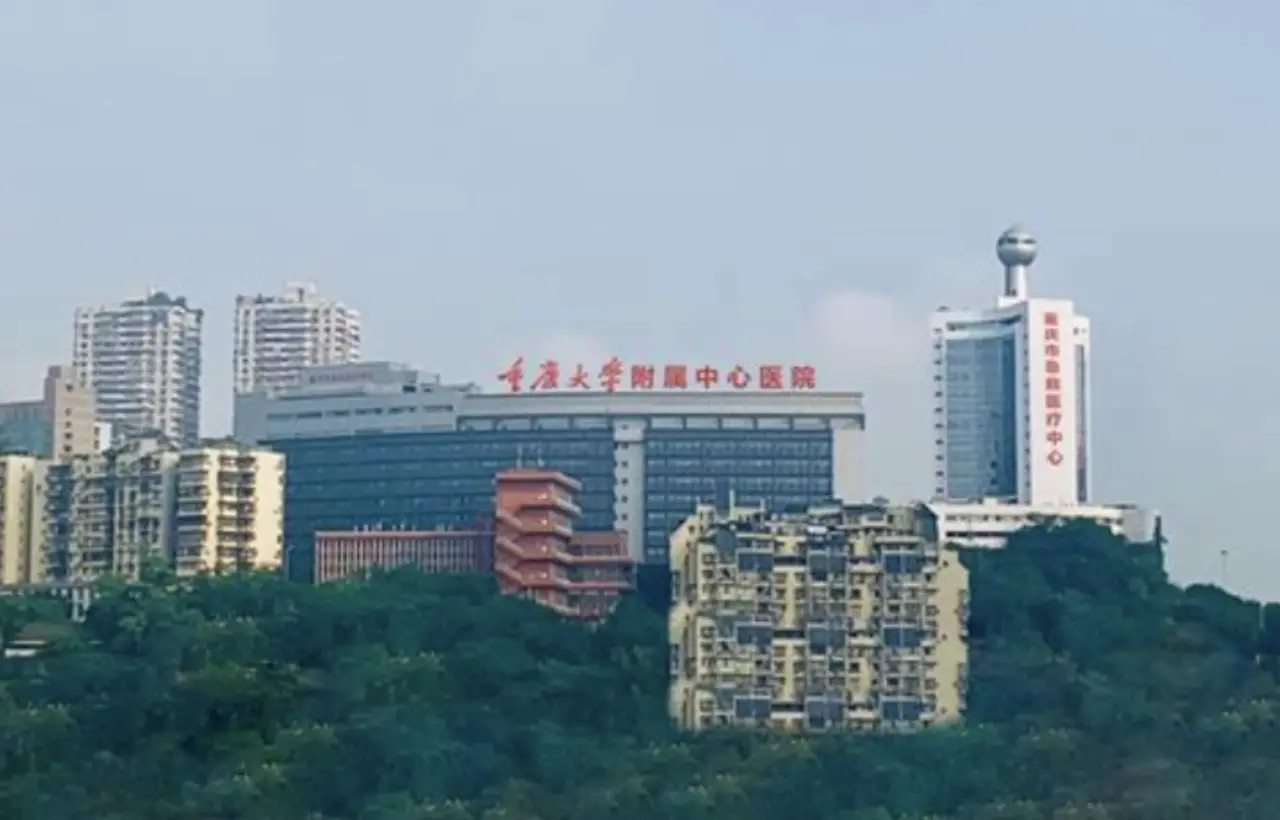
Founded in 1939 and also known as Chongqing Fourth People's Hospital and Chongqing University Central Hospital, the center is a tertiary Grade A teaching hospital integrating municipal emergency dispatch, medical care, research, teaching, prevention, and public rescue.